
John W. Hoffmeister: Navy Corpsman At Home with the Marines
MicheleZander2018-07-05T12:43:21-05:00Navy Corpsman At Home with the Marines

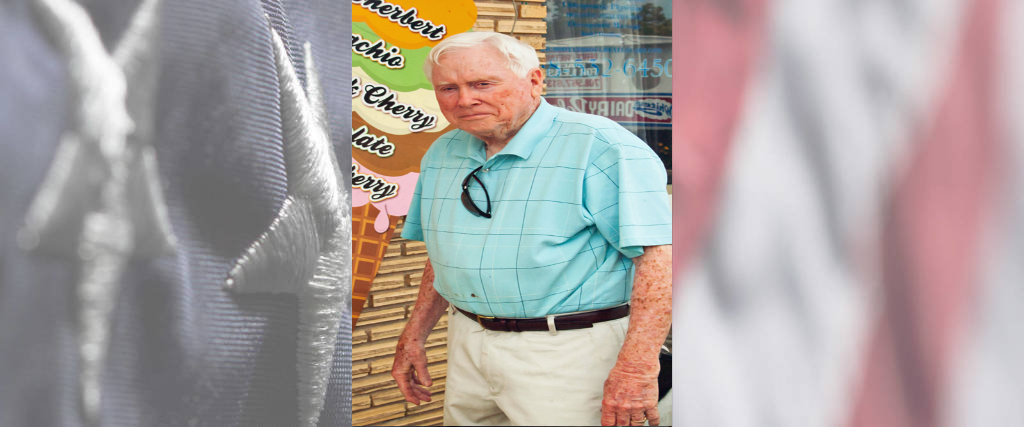
Navy Corpsman At Home with the Marines
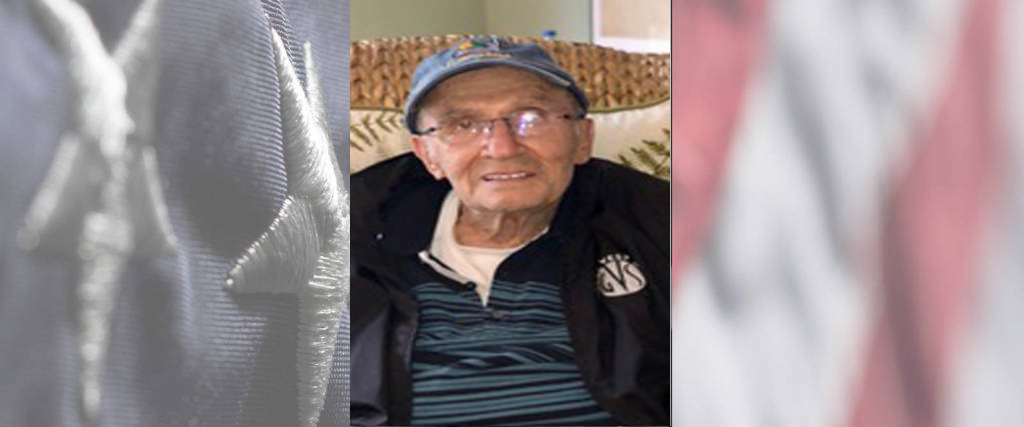
Battalion Clerk Has Its Privileges
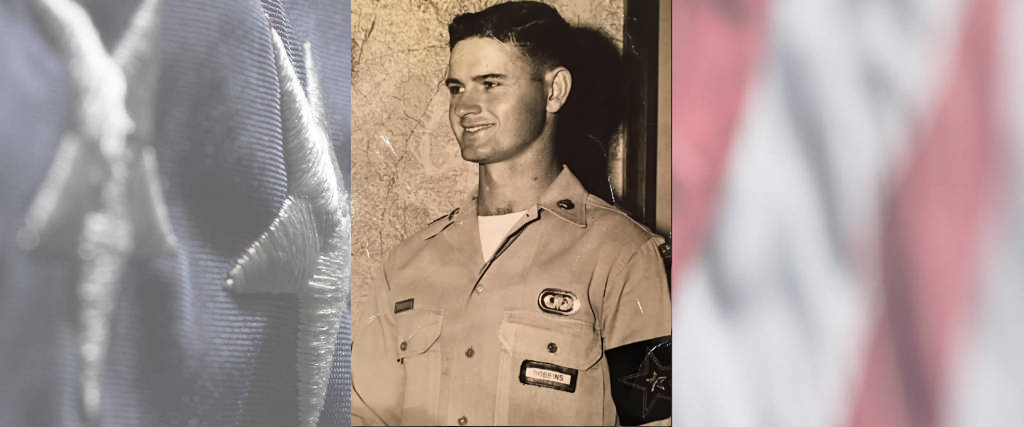
Always Up For a Challenge In Thirty Years of Active Duty
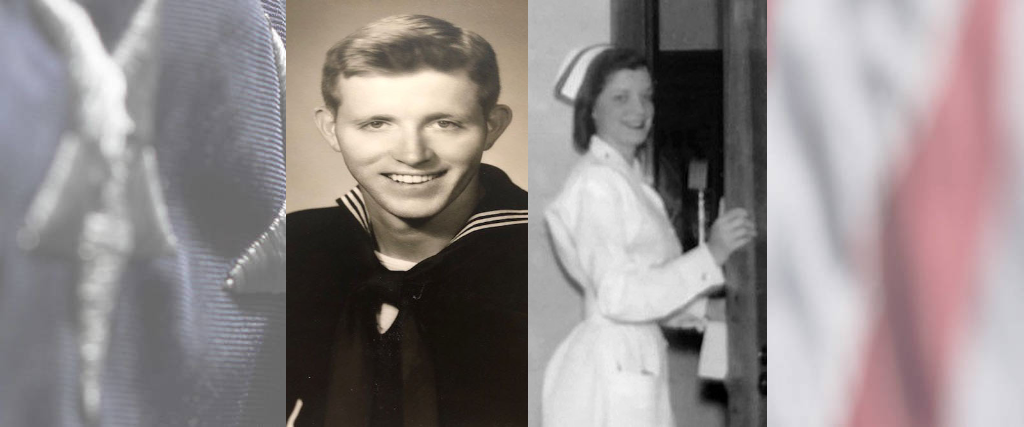
A Match Made in Corona
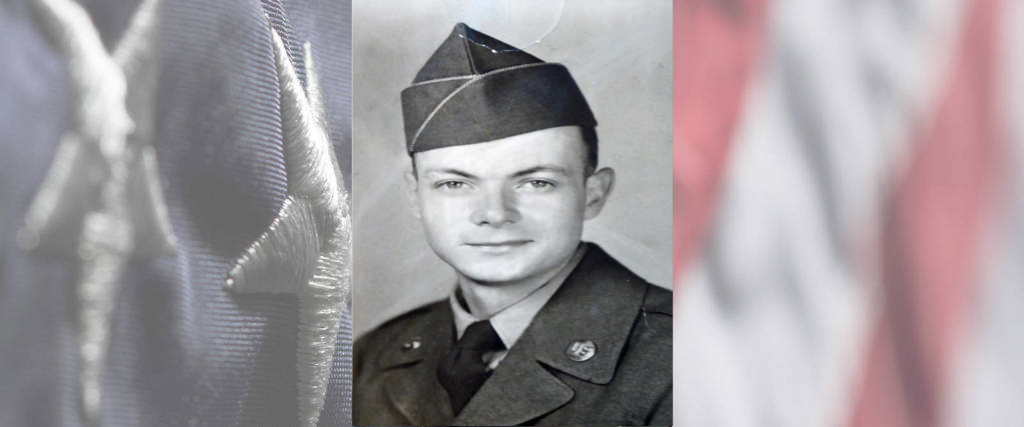
GI’s Do More Than Fight in a War Zone
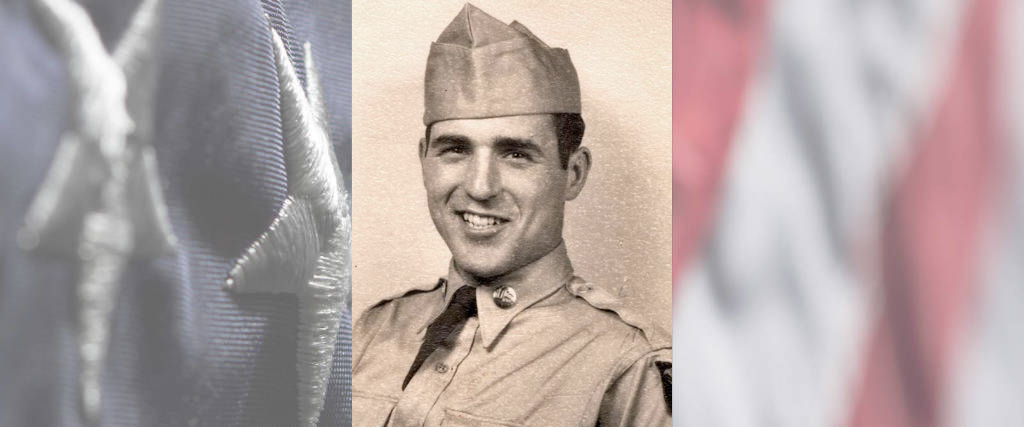
Learning the Language and Ways of the Military
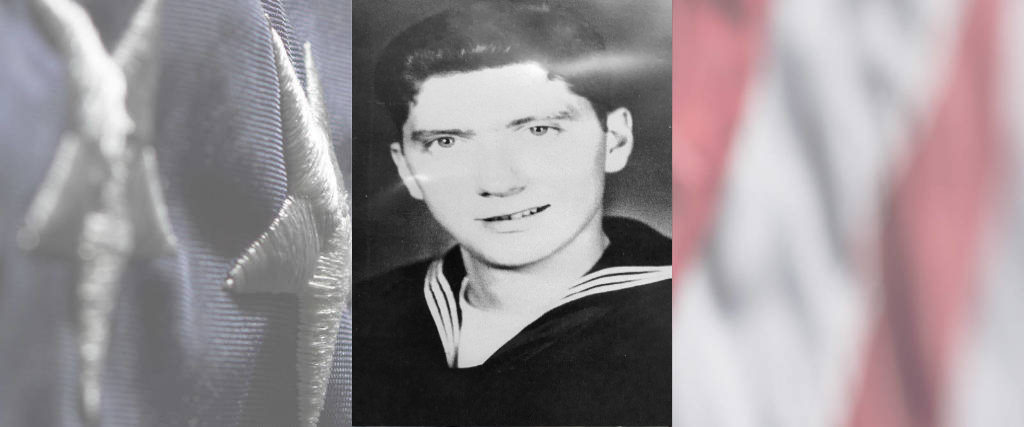
A Family of Coasties that are “Semper Paratus” … Always Ready
A Wandering Soul Finds Challenge in the Coast Guard
Carpenter, Pipe Fitter, Electrician and Tinsmith - At Forty Below
Playing a Different Kind of Music on the USS Missouri
Vital Communications and 15 Months of Smelly Rice Paddies
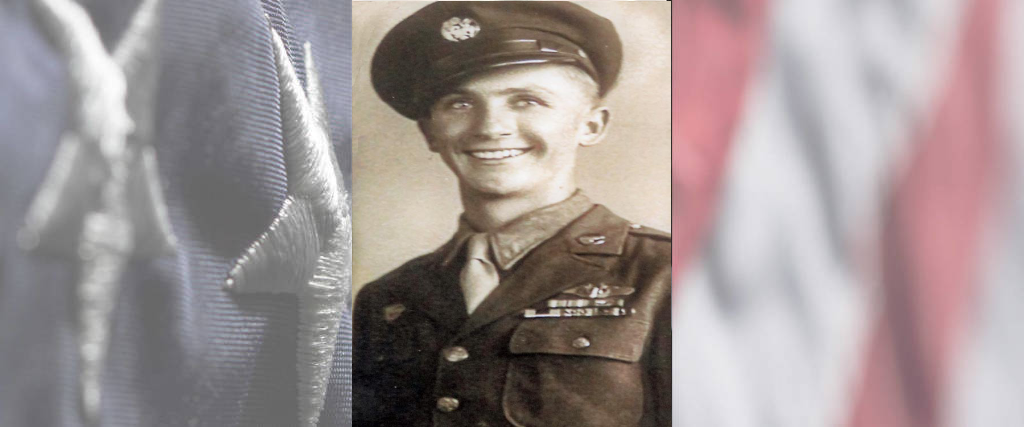
Forty B-24 Combat Missions Begin with the Palau Islands
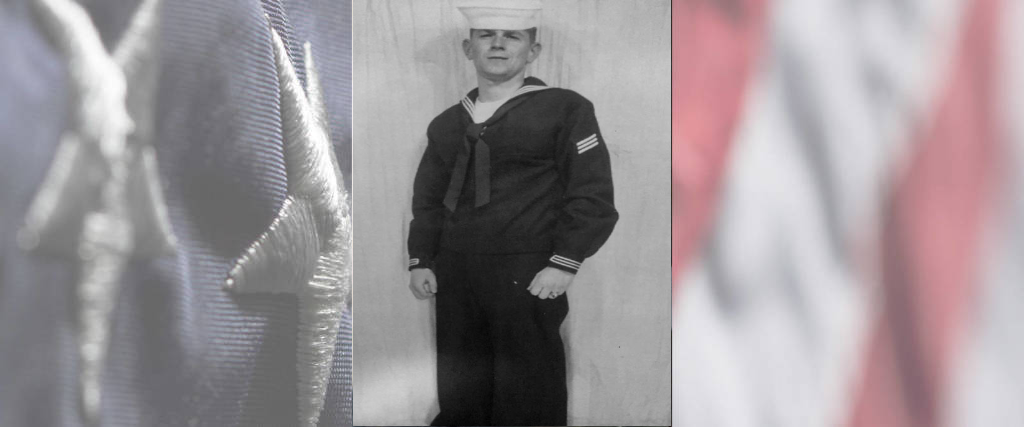
A Navy Seabee, Two Bulldozers and A Surf Crane
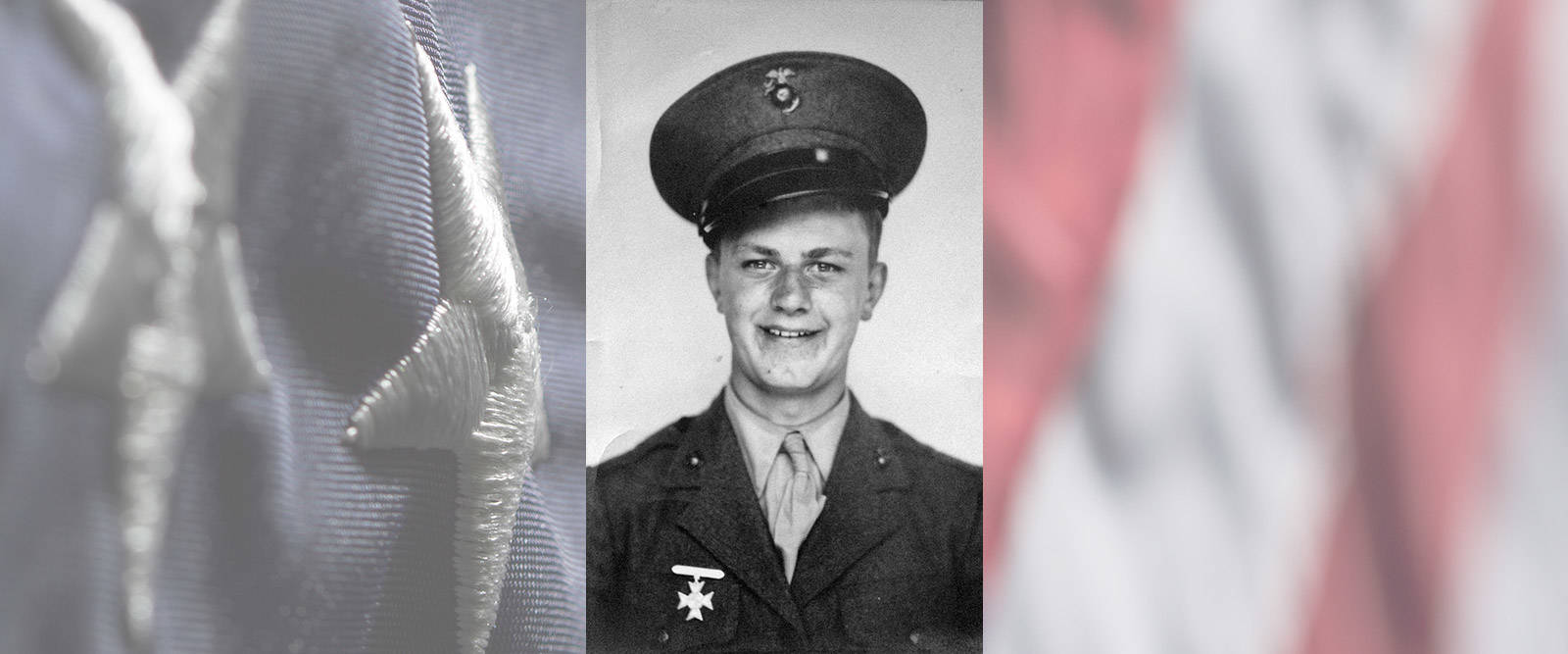
“There was an unexploded Japanese torpedo on the beach in Saipan, and they wanted a volunteer. All the other guys were much older than I was and nobody wanted to volunteer, so they volunteered me,”
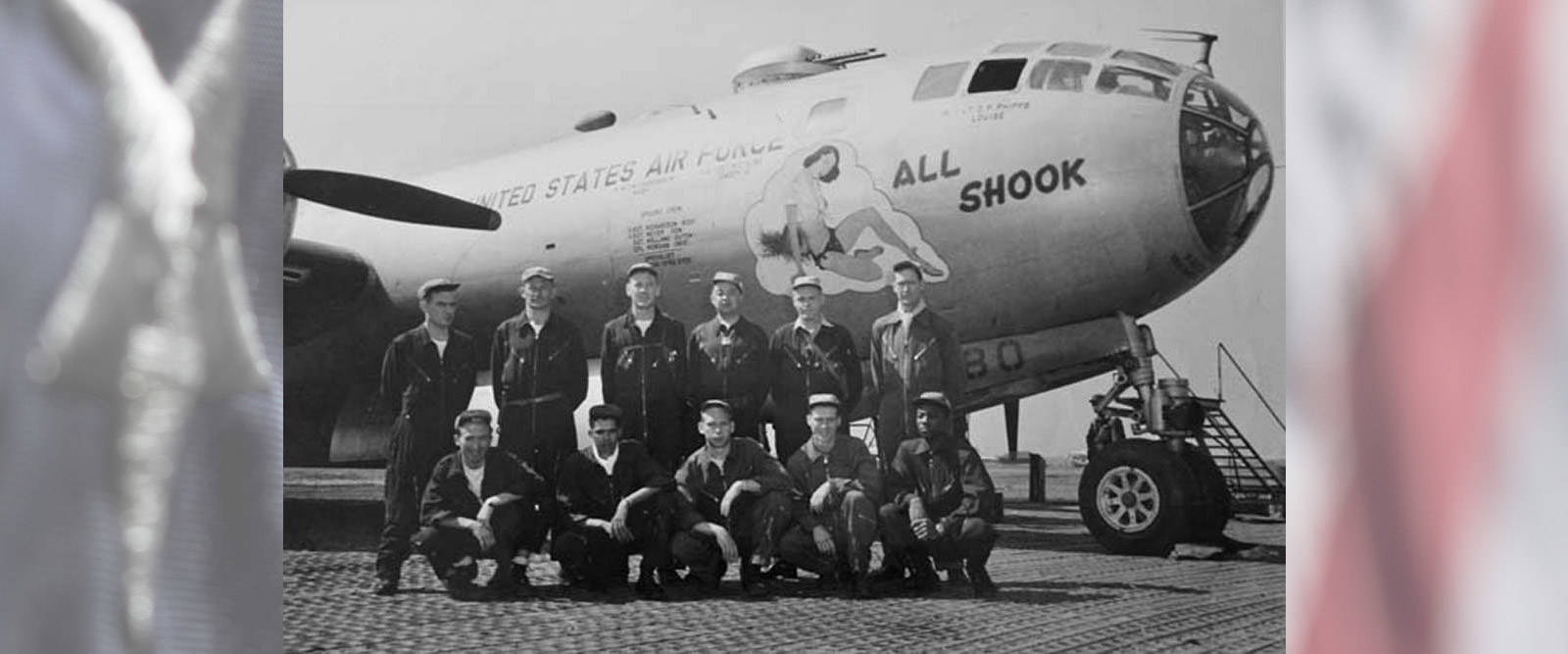
Lloyd and his crew completed their 35 combat missions in May, 1952. All Shook returned to the States shortly thereafter without a scratch. For his service, he was awarded the Air Medal for “meritorious achievement while participating in aerial flight.”
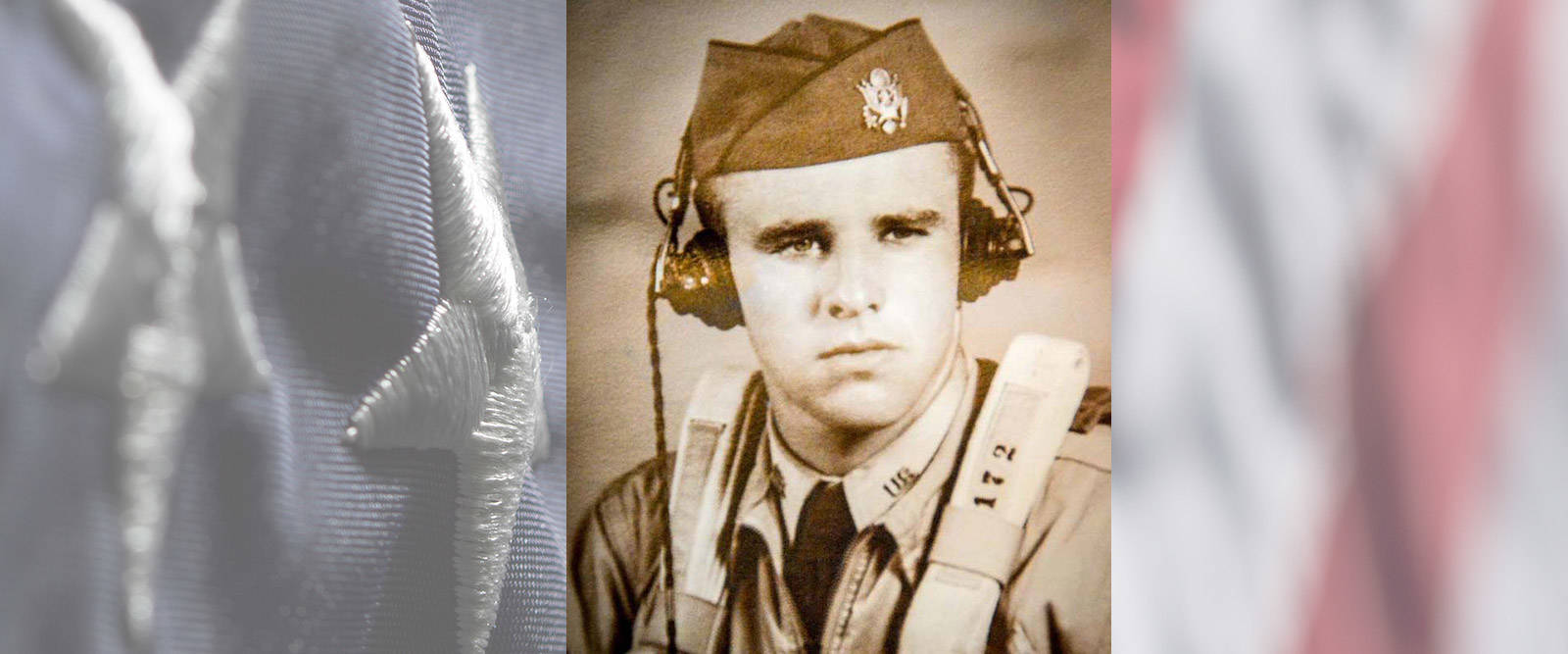
During Basic Training, they gave Del a bunch of tests and said “you are good in mathematics, we have a deal for you – we want you to be an aircraft AOB (Aircraft Observer Bombardier). There is a lot involved, and it takes about a year and half or so.” Training started at Ellington AFB near Pasadena TX, then on to Mayfair, CA to complete the training.
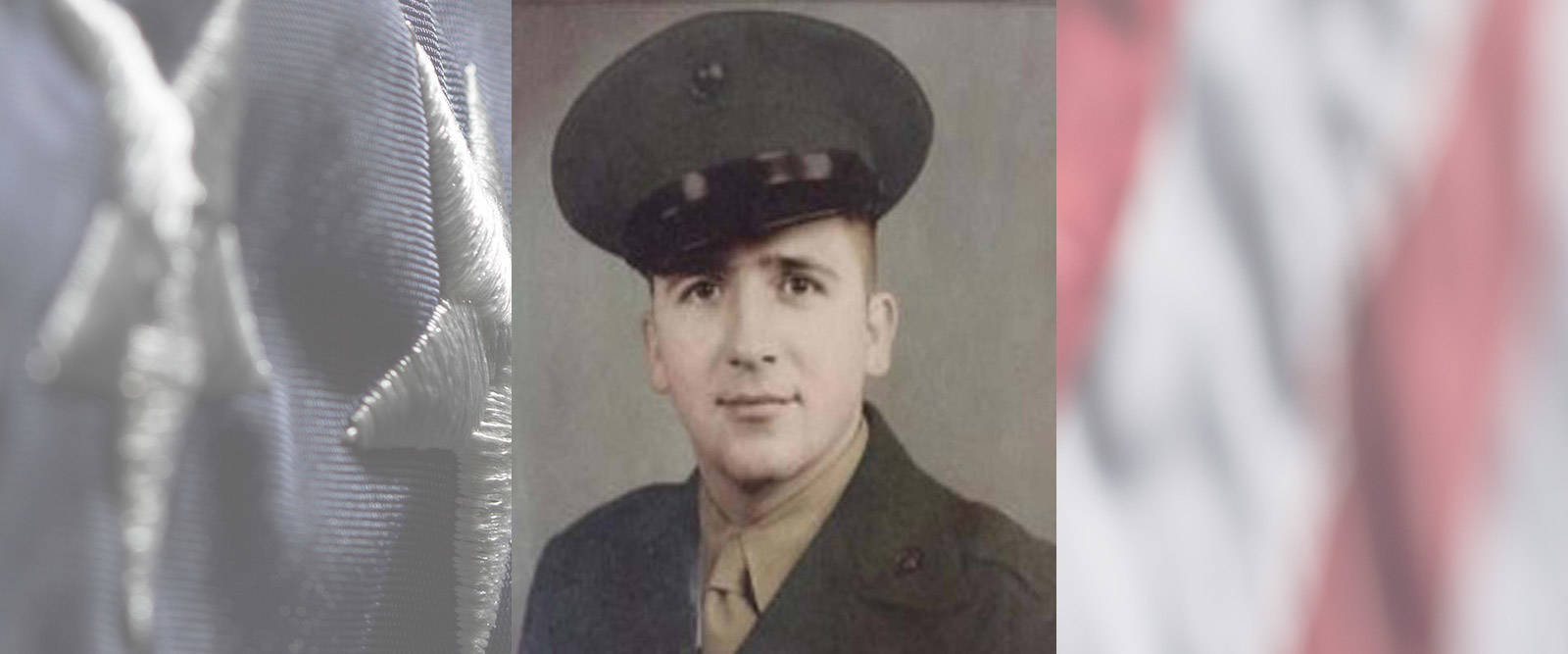
At first, along with his BAR fire team, Michael worked as a stretcher bearer. This was his first experience caring for anyone who was wounded. Michael recalled carrying many seriously wounded soldiers down the mountainous terrain while live fire battles were continuing. He and others would carry the stretchers to the awaiting helicopters where they were met by medical teams.
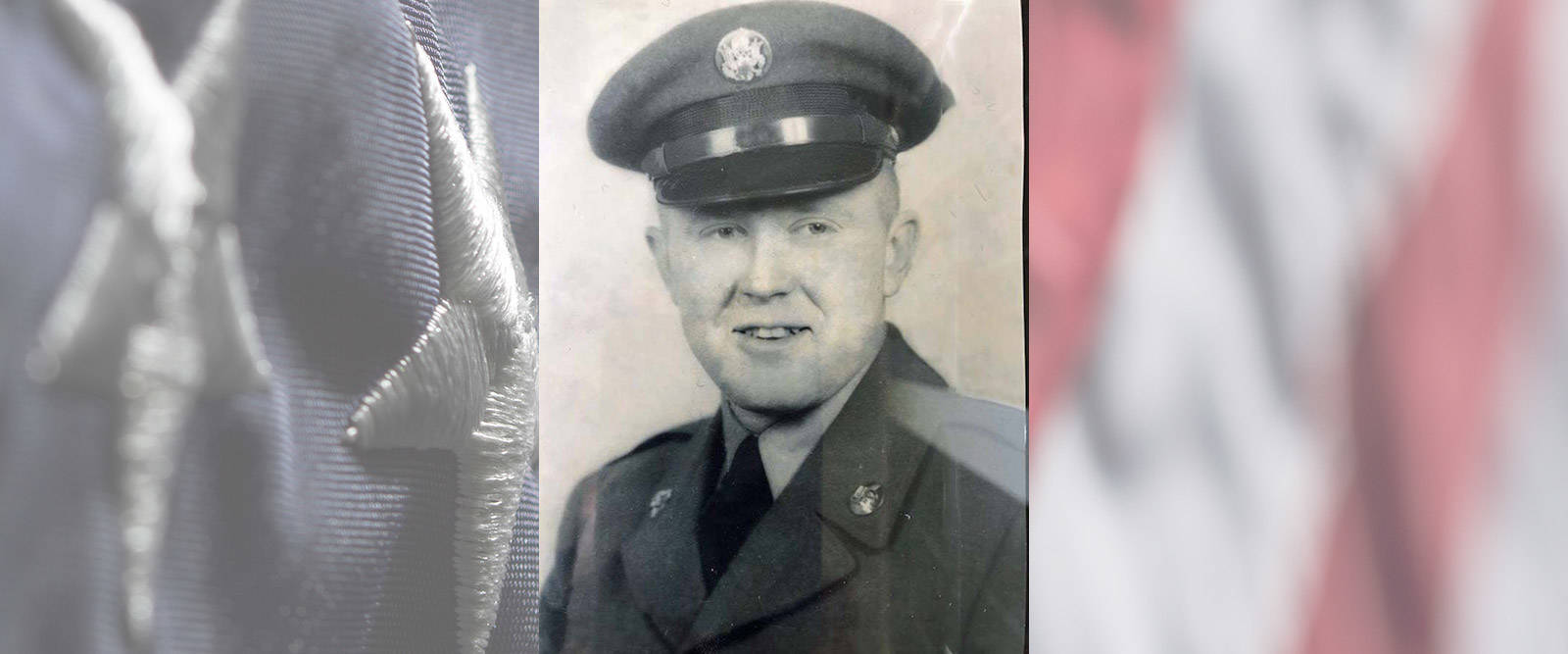
Roger readily admits he was “scared as hell” when he was taken. The Chinese soldiers wrapped a tourniquet around his leg to stop the bleeding, and slapped something mysterious on his wounds. Then, he was held in a 4’ x 6’ cell with a low ceiling, where he survived on a diet of raw fish and rice, and an occasional helping of green, spicy kimchi.
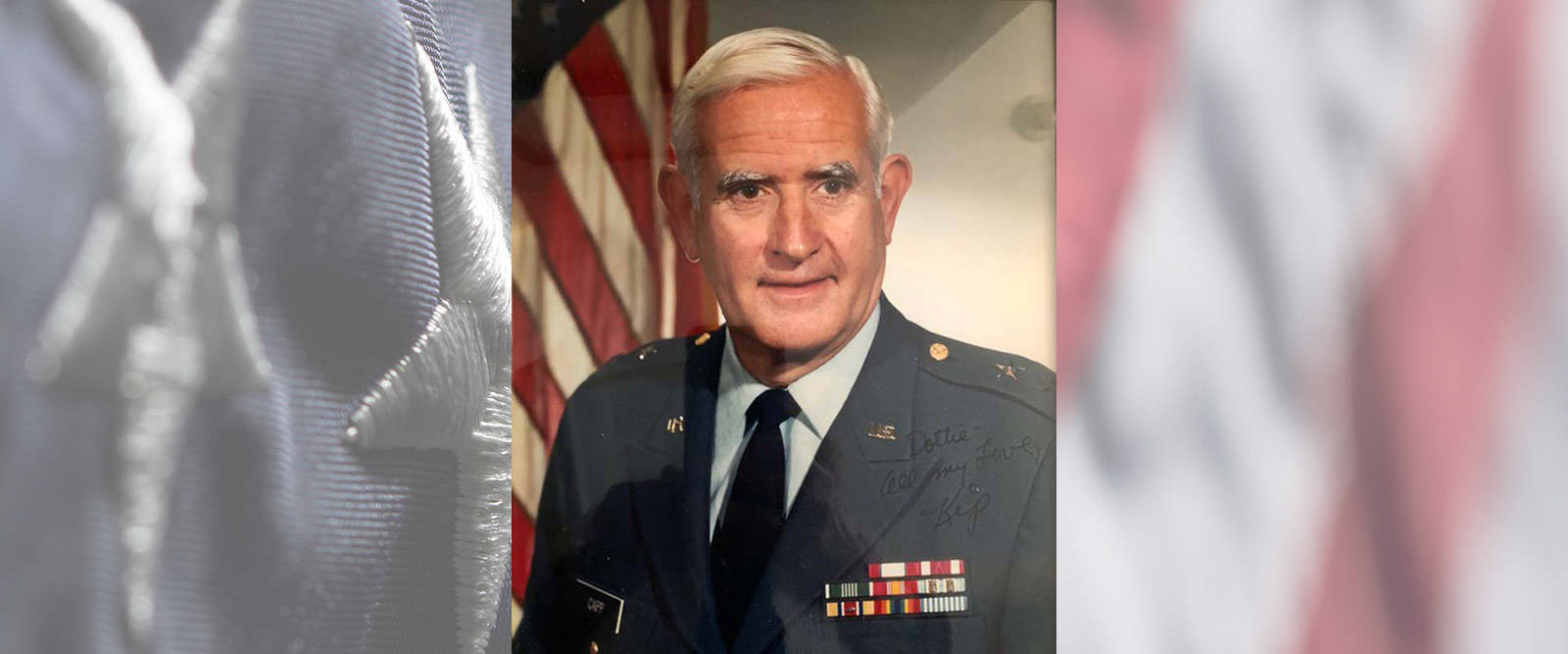
General Capp retired from the military in 1983 after almost 36 years of service in the Illinois National Guard, the U.S. Army and the U.S. Army Reserve. During his military career he was highly decorated, earning the Distinguished Service Medal; the Meritorious Service Medal; the Army Commendation Medal; the Army Reserve Components Achievement Medal with Oak Leaf Clusters; the United Nations Service Medal; the Armed Forces Reserve Medal with two hourglass devices (denoting 20+ years of service); the National Defense Service Medal; the Army Service Ribbon; and the Bronze Order of the de Fleury Medal, presented to an outstanding individual who has rendered significant service or support to an element of the Engineer Regiment.
Wally’s lieutenant asked him if he’d be interested in “Isolation Duty.” This meant being sent to report on weather conditions in remote corners of the globe.