
Army Vietnam War Flight date: 04/15/26
By Christina Nichols, Honor Flight Chicago Veteran Interview Volunteer
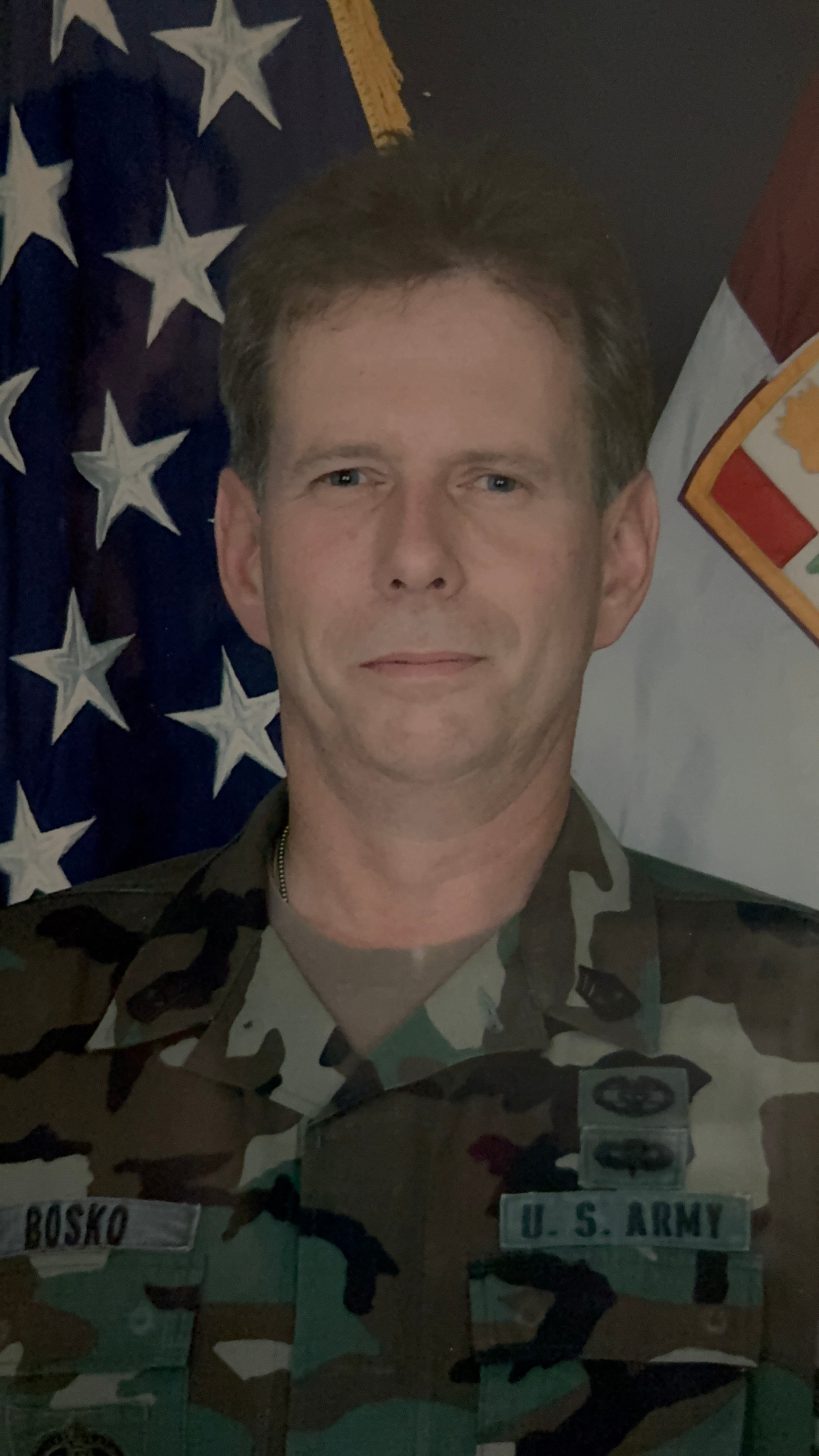
First Sergeant Charles, “Chuck,” Bosko served in the US Army as a Combat Medic during the Vietnam War. Before Chuck joined the military, multiple relatives of his also proudly served our country, including his father, who served in the South Pacific during WWII as a Combat Engineer, and other family members who served in the Korean War. In Chuck’s case, his military background began when he attended, for three years, St. Joseph Military Academy, an elementary boarding school ran by the Sisters of St. Joseph. It closed its doors in 1972 and was located at the current site of Nazareth High School. It is here that Chuck first learned military skills as a cadet.
Years later, in the fall of 1968, Chuck, who had recently graduated from Morton East High School, decided to prepare for his upcoming military service. So, he went to the AFEES office and took the required written and physical examinations. This was an all-day event, with Chuck arriving at 5 am and not leaving until the end of the day. Chuck had arrived at the office with a friend, but they parted ways after they arrived. By the end of the day, when they met back up with one another, Chuck’s friend asked him, “So did you do it, did you enlist in the Marines?” But, unlike his friend who had joined the Marines that day and left immediately afterwards to Vietnam, Chuck knew that he wanted to be a medic in the military, with hopes of getting further medical training and valuable experience.
Thankfully, the results of his examinations guaranteed that Chuck could get this specialized training. What Chuck was unsure of was which branch of the military he wanted to join. After thinking about his fear of sharks being in the water if his ship went down in the Navy, he decided he would join the Army. Chuck decided he would also like to get airborne training and was informed that this would be possible.
In addition, at this same time, since Chuck knew he was not ready to head to college, he began working at MacNeal Memorial Hospital in Berwyn, where he became an orderly. During this time, he volunteered to work overtime and gained valuable experience, exposing him to a variety of patient care. Some of his work involved routine tasks, such as picking up patients from the x-ray room and transferring them into the recovery room. However, Chuck also remembers unique experiences, such as being invited to watch a surgical procedure; he was asked to put on scrubs, and he even had the opportunity to meet the doctor. At this time, he also learned about an emerging, specialized field of medicine involving respiratory therapy.
Chuck inquired about it, and he decided to register at Triton College, the only college in Chicagoland offering a 2-year program in this area of medicine. The registrar at Triton asked Chuck if he knew anything about his draft status. Chuck did not, so she encouraged him to check into this further. Chuck listened to her advice and learned, in March of 1969, that he was going to be drafted the following month. So, on May 19, 1969, rather than getting drafted, he enlisted in the military at the AFEES, located in the basement of the Berwyn Post Office. He volunteered because he thought it would be an adventure and because he felt it was his duty to serve his country. Moreover, people in Cicero, where Chuck lived at the time, “were of the culture that you do what your country asks you to do.” To encourage Chuck to “seal the deal,” the person working at the AFEES gave Chuck a cup of coffee and two cigarettes prior to him “signing on the dotted line.” In addition, Chuck recalls vividly, as he was sitting there, that he overheard some military personnel say, “This young idiot just volunteered to go to Vietnam.”
Moreover, Chuck was aware of men who chose to join the National Guard as a way of preventing themselves from getting drafted. This is because, at that time during the Vietnam War, only a unit or two from a given reserves would get drafted; the rest of the men would fulfill their six-year commitment of reserve time to satisfy their duty of service to America. Alternatively, if men completed three years of active service, they were able to return home and then enter the standby reserves.
In Chuck’s case, in May of 1969, he began his eight-week Basic Training at Fort Leonard Wood in the Missouri Ozarks, and he completed it by August. When he arrived, his drill sergeant told him that, due to Chuck’s experience as a cadet while in military school, he should know something about PT, as well as drill and ceremony, so he selected Chuck to be the squad leader. As Chuck explained, “You don’t say no, you take it.” After this, Chuck reported to Fort Sam Houston in San Antonio, TX, for another eight weeks of training; part of this training was specifically AIT Combat Medic Training. He finished this training in October of 1969.
At this point, Chuck received his orders for Vietnam which would begin after two weeks of leave. After spending time back at home, Chuck reported to Oakland, CA, in early November. Recruits were there for only a couple of days; they were told to stay on the base because the military “didn’t want recruits leaving in case they don’t come back.” It was now time for Chuck to board his very LONG flight to Vietnam.
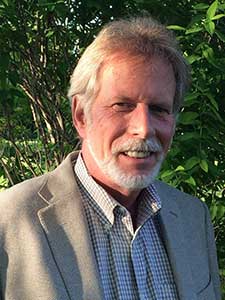
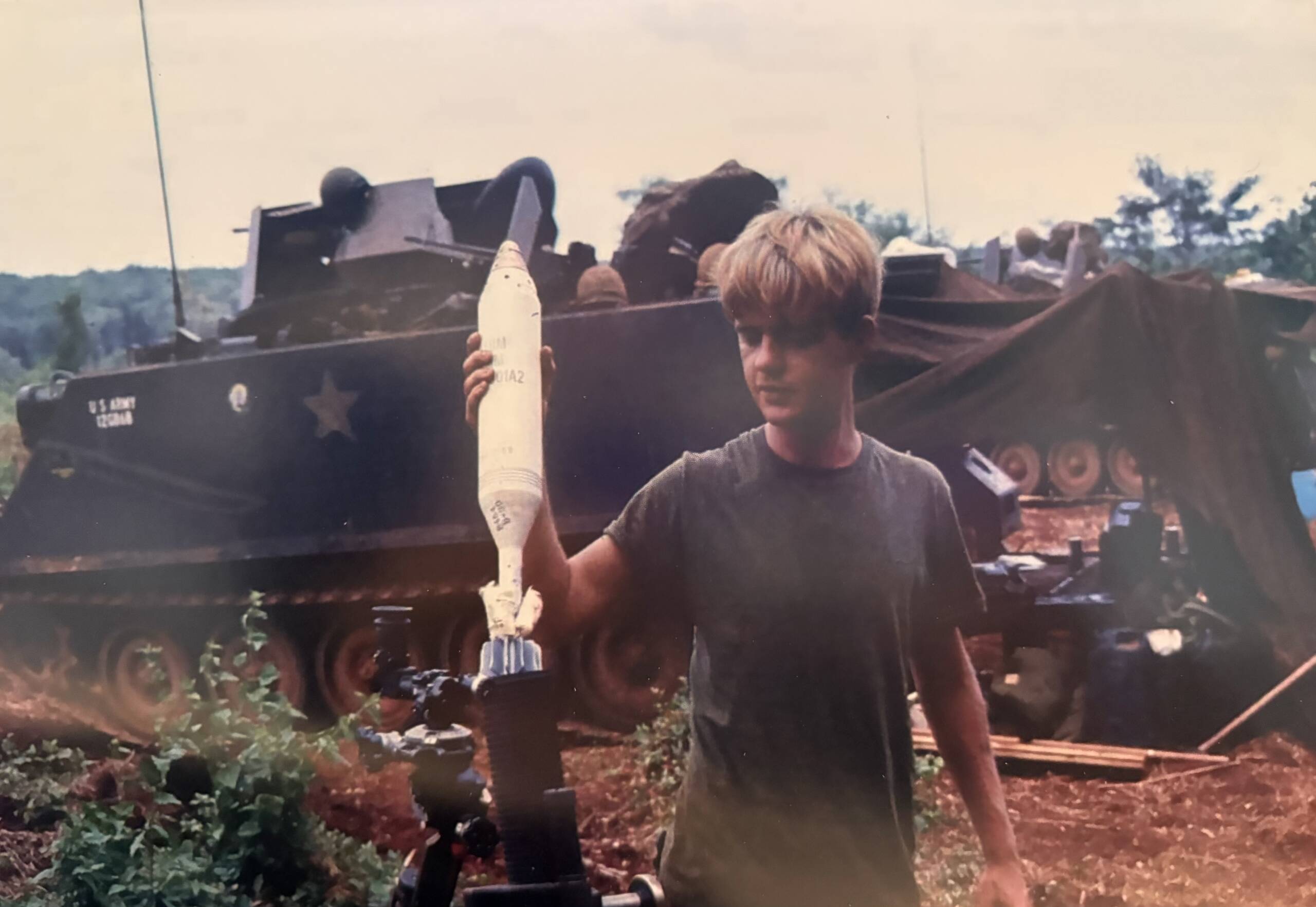
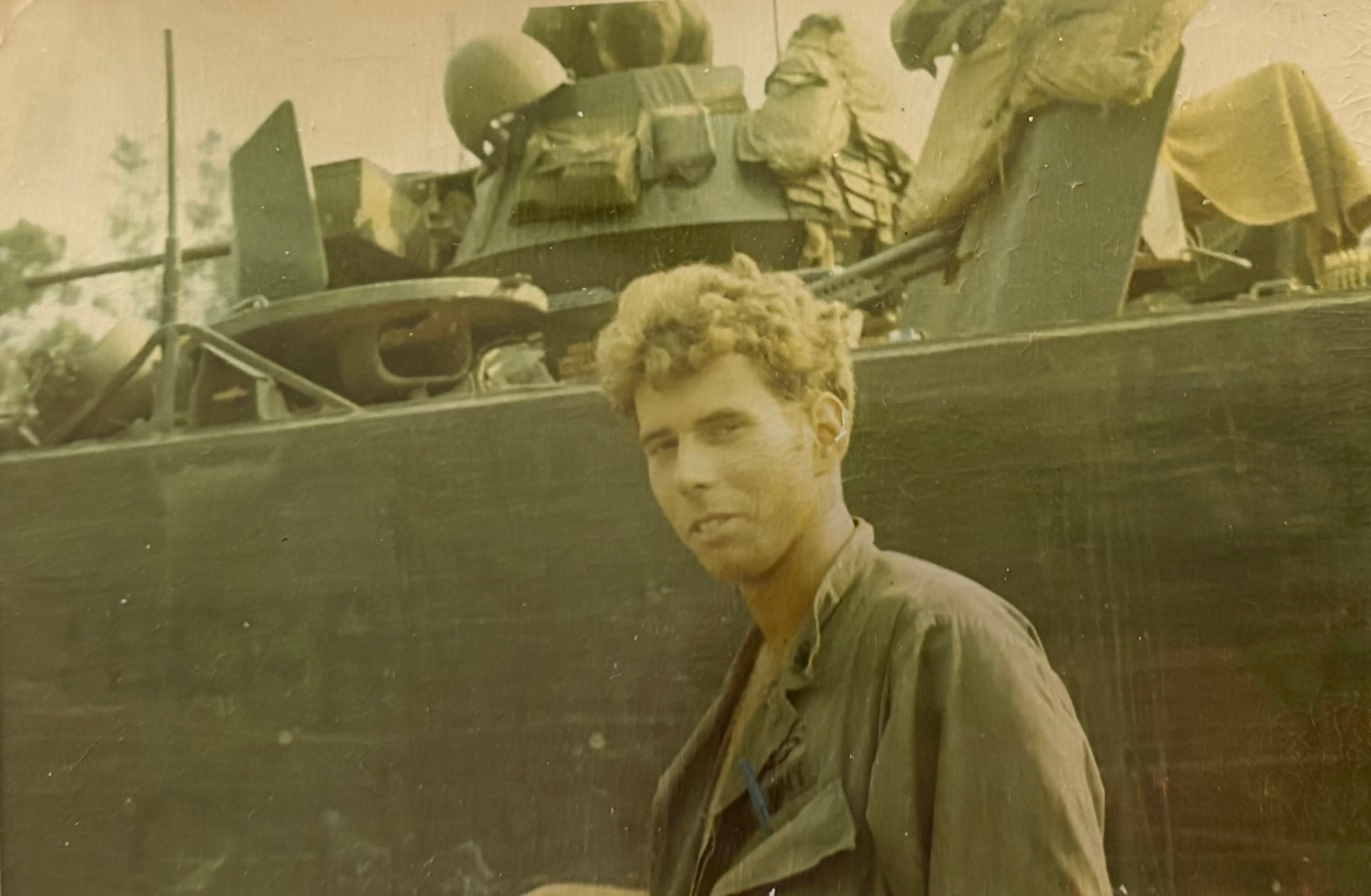
When he got off the plane, he and around five to ten other recruits were led to a small hut structure, whereas everyone else was directed to a different building. Chuck and his fellow servicemen with him were wondering why they did not go with the others. They found out soon enough: their sergeant told them they already had orders to be part of the 11th Armored Cavalry Regiment (ACR). As the sergeant explained, medics were very much in need because, “Guys are dropping like flies out there!”
Chuck did not know what the ACR was, but he thought it was a good idea to be able to get around in tanks, rather than just walking around. He reported to Long Binh, where he received a couple of days of in-country training and he learned that, in the 11th ACR, there were both armored tanks and personnel carriers; so, Chuck’s first reaction was that he and his fellow servicemen were going to be safe. But “he then got a peek of what the other side had.”
At this stage in the war, Americans were no longer fighting the Viet Cong; rather, they were fighting the North Vietnamese Army. Chuck became well-informed about the many dangers he was about to face, including the danger of rolling over landmines while driving in the tanks. In addition, he learned that the North Vietnamese were using 90 mm recoilless rifles in battle. These rifles were strong enough to seriously damage American tanks.
In addition, the North Vietnamese were launching RPGs, or rocket-propelled grenades, small hand-held missiles launched in close proximity to their given targets and capable of wreaking havoc.
At this point, Chuck was thinking to himself, “I am 12,000 miles away from home…what I am doing?” However, Chuck focused his concerns on being able to do what he had been trained to do as a medic. He believed that “everything happens for a reason” and that his training back in the MacNeal Hospital emergency room (ER), where he had voluntarily chosen to work, rather than remaining an orderly, was all leading up to this particular time in his life.
For example, while working in the ER, Chuck had seen burn victims who had 90-degree burns all over their bodies due to a paint factory that had blown up. Not only did this help prepare Chuck for the brutalities of war that he was going to see while in Vietnam, but also, he learned how important it was, back at the hospital in Illinois, that the nurses “knew when people needed to go in isolation and they just reacted to the situation.” All of this helped Chuck to know that he had to put his fears aside and just do his job.
Within the 11th ACR, there were three squadrons; each squadron had four troops—Chuck was in the 2nd Squadron. The nickname of his troop was the F-Troop. Chuck “thought it was a joke and that someone was pulling his leg.” This is because there was a TV show on, at that time, by this same name, and its plot centered around a “bunch of misfits.” Another light-hearted memory Chuck has of his service in Vietnam is that he and his fellow servicemen would often see stray dogs and monkeys; they all knew better than to feed the animals, yet that is exactly what often happened. So, when the men generously shared their C-ration, the dogs wanted to stay by the side of their new friends and never leave. Similarly, “the monkeys found a new home and would just sit on your shoulder,” after they were allowed to share a cookie or two.
More problematic members of the animal kingdom were red fire ants which excreted a gluelike substance. These ants lived in, what looked like, hornets’ nests within the trees, and their secretion was sticky enough to make two leaves stick together. One day, this fact ended up becoming a big problem for Chuck and his fellow servicemen because these ants, and their gluey secretions, stopped a cavalry regiment right in its tracks! How can this be possible?
Each carrier had an antenna and a radio which were supposed to always be tied down; this ensured that they would not hit the leaves on the trees, many of which were booby-trapped, as they traveled along. Otherwise, the traps would release a grenade, which would then fall and cause devastation. However, on this one day that Chuck recalls, the antennas were not tied down properly on one of the carriers, and they did, in fact, hit a tree; fortunately, this did not trigger a booby-trap. Unfortunately, an ant’s nest was hit! Immediately after, men were taking off their clothes, yelling, and crying! Some men even needed medical attention because the ants’ venom caused an anaphylactic reaction, leading to welts all over their bodies! Everyone’s clothes needed to be destroyed, and everything in the carrier needed to be removed, including personal belongings and ammunition, so that the carrier could be sprayed.
This was definitely a unique day! Chuck’s more typical day-to-day life in Vietnam, in the year between the fall of 1969 and the fall of 1970, involved his work serving as an advisor to the 1st Sergeant in his role as the Platoon Medic of the 3rd Platoon. There were three platoons, each with one medic, which formed each troop. In his role as a medic, Chuck, most often referred to as “Doc” or “Bosko,” helped to decide which men were healthy enough to stay and which men needed to leave, so that they could receive more intensive medical care. This included making sure all the men in his platoon were OK, checking for rashes, treating sore throats, determining if dental or stomach problems were severe enough to warrant further medical help, and providing medicine, mostly for pain, but also to fight malaria. Chuck recalls that no one minded the actual pills that worked to fight malaria, since they were small like baby aspirin. However, the booster pills were orange and larger, and no one liked these pills; in fact, many men spit them out. Yet, in all of Chuck’s years working in VA Hospitals, he never saw anyone die of malaria; rather “it is something that can come and go throughout life, be treated, go away, and may reappear again,” without gravely impacting one’s health.
Within his year as a medic in Vietnam, Chuck also learned, when running to provide first response medical care during enemy engagement, that it was important to run behind the tanks, not in front of them, because “whatever is in front of them, the men will shoot.” During this time, within his troop of around eighty-five soldiers, Chuck came to the aid of eighteen men that tragically died. In fact, Chuck can still vividly recall, on December 2, 1969, he and his platoon were traveling in a straight line of personnel carriers, each one holding a driver, two men with machine guns and one commander. Each carrier, obviously, weighs a lot, and by the time the third or fourth vehicle made its way down the road, the sheer weight of the vehicles caused the road to become softer and cave in, leading to one of the vehicles flipping over. Chuck was just two vehicles behind the one that tipped over and he, instinctively, grabbed his bag and went to the aid of his fellow soldiers. Unfortunately, only one soldier survived. This was the very first time that Chuck worked as a medic while stationed abroad.
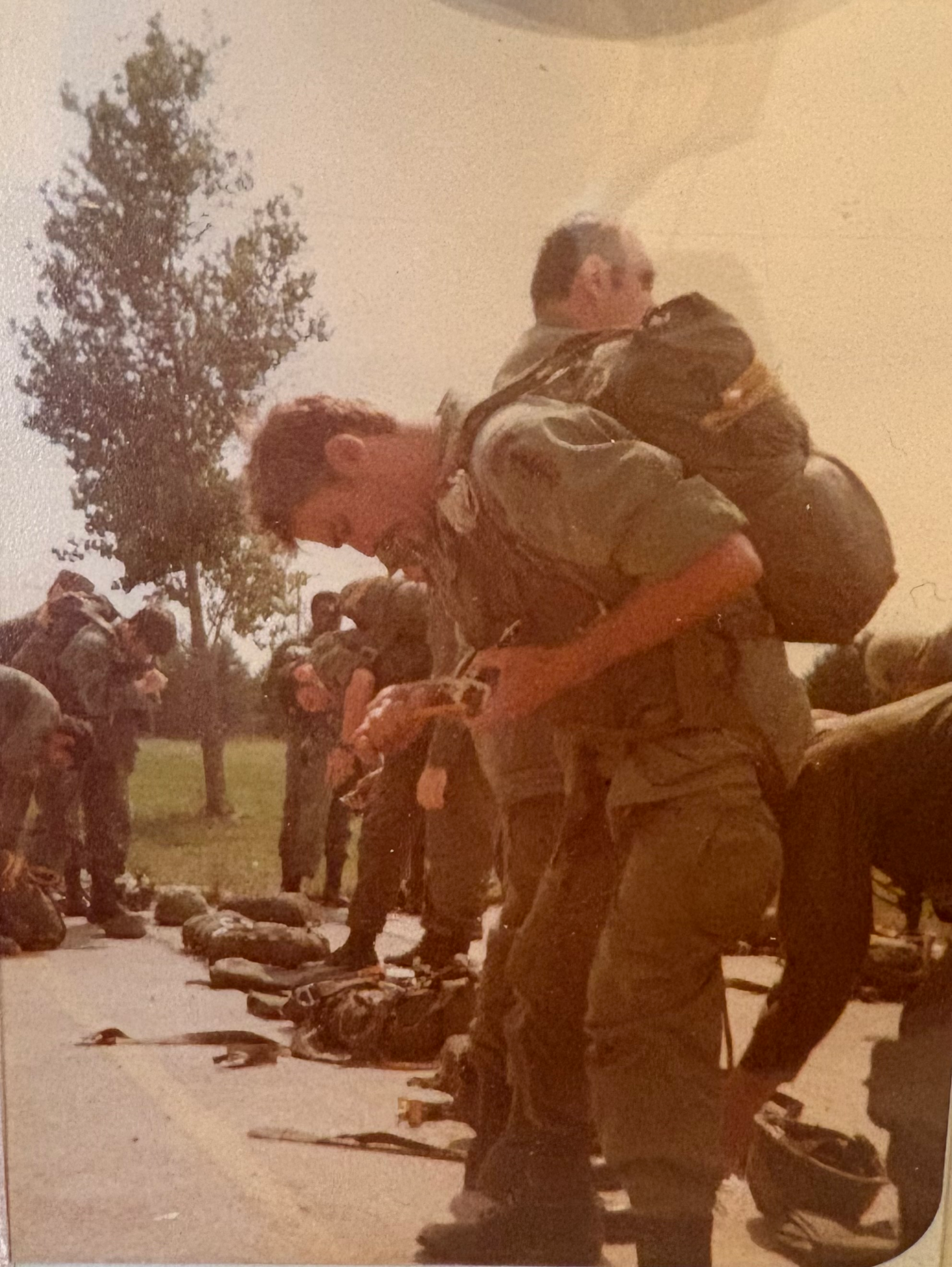
After leaving Vietnam, Chuck had eighteen months left of the three years of service that he had signed up for, so he served at the Oakland Army Base in California from November 1970 to December of 1971. At this base, he worked in a clinic that treated the troops going back and forth to Vietnam, as well as the people serving at the base. When Chuck left California, he returned home to Illinois and joined the airborne active reserves in Arlington Heights. Just as he had been promised at the AFEES office several years before, Chuck was now able to complete his airborne training. For three weeks, he went to Fort Benning in Columbus, GA, and learned to jump out of airplanes.
At this time, in January of 1972, Chuck also returned to his studies and registered for classes at Triton College. That first semester, he completed some general studies coursework. By the fall of 1972, he began his associate’s degree in respiratory therapy. Chuck also returned to full-time work at MacNeal Hospital, where he assumed he would work as an orderly. However, the human resources manager, who was the same person as before Chuck left for Vietnam, explained to Chuck that he was not going to be an orderly. Instead, Chuck was given the opportunity to get on-the-job training in respiratory therapy, which was now a newly emerging field of medicine at the hospital. The staff at the hospital very much appreciated Chuck’s military background, and all the experience he had gained while in Vietnam.
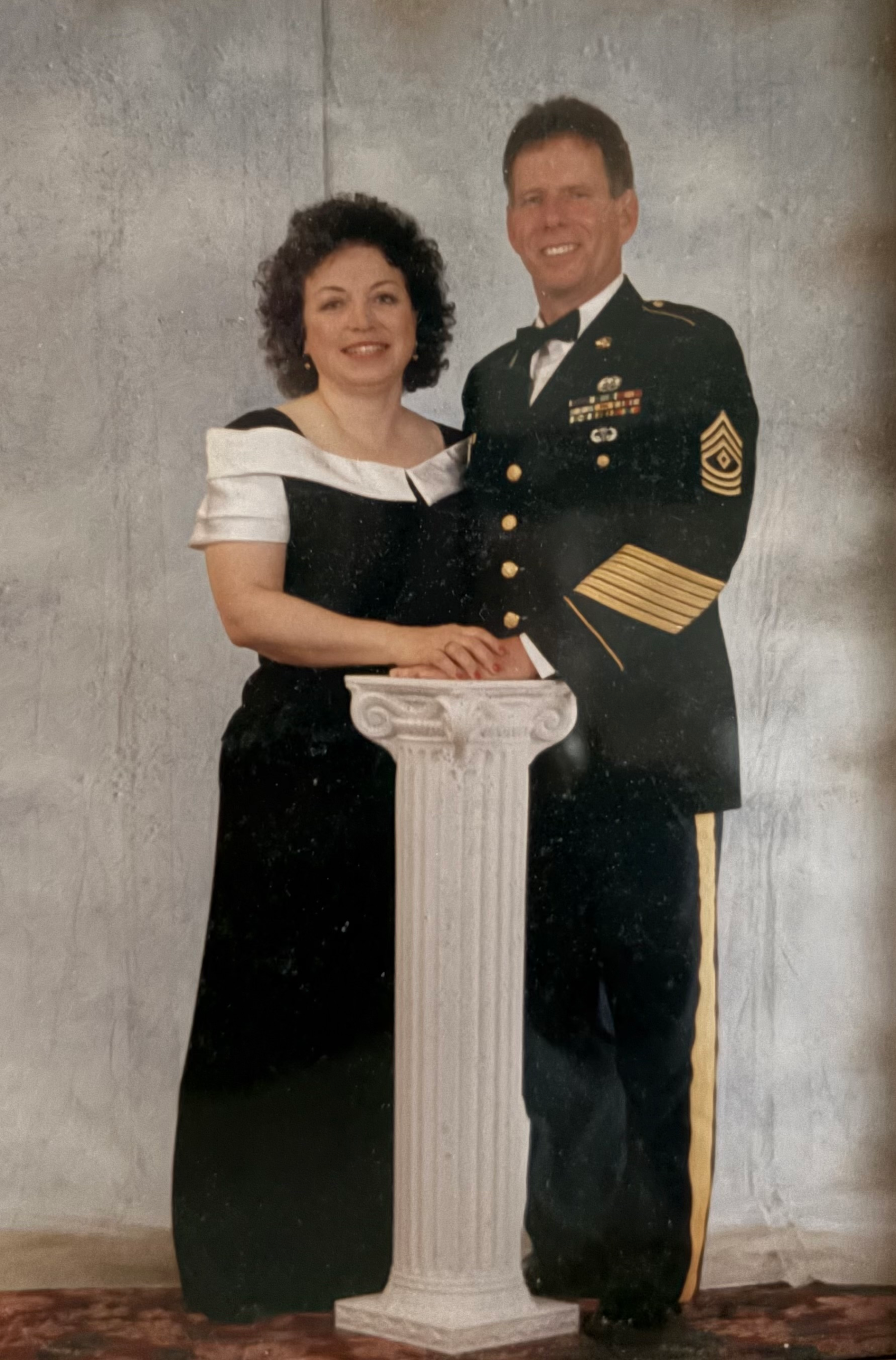
While working at MacNeal, Chuck’s life changed forever in the best way possible. In February of 1973, Chuck was taking care of a very sick, seventeen-year-old patient, Katherine (affectionately known as KK), a senior at Nazareth Academy. KK’s mom said that Chuck should meet her other daughter. Hearing her mom say this, KK laughed and thought the whole situation was funny! Meanwhile, Chuck was thinking to himself, “Here is this nice, Italian mom, what is she thinking, trying to set me up with her daughter?” However, the very next day, KK’s sister, Susan, was sitting there by the window, and Chuck immediately hit it off with her. Susan was studying at St. Anne’s to be a nurse, so they both shared an interest in medicine. They began dating, and a few short years later, they were married on April 25, 1976. Less than two weeks after Chuck goes on his Honor Flight, Chuck and Susan will be celebrating 50 years of marriage! During their lives together, they welcomed two daughters, two sons and eleven grandchildren.
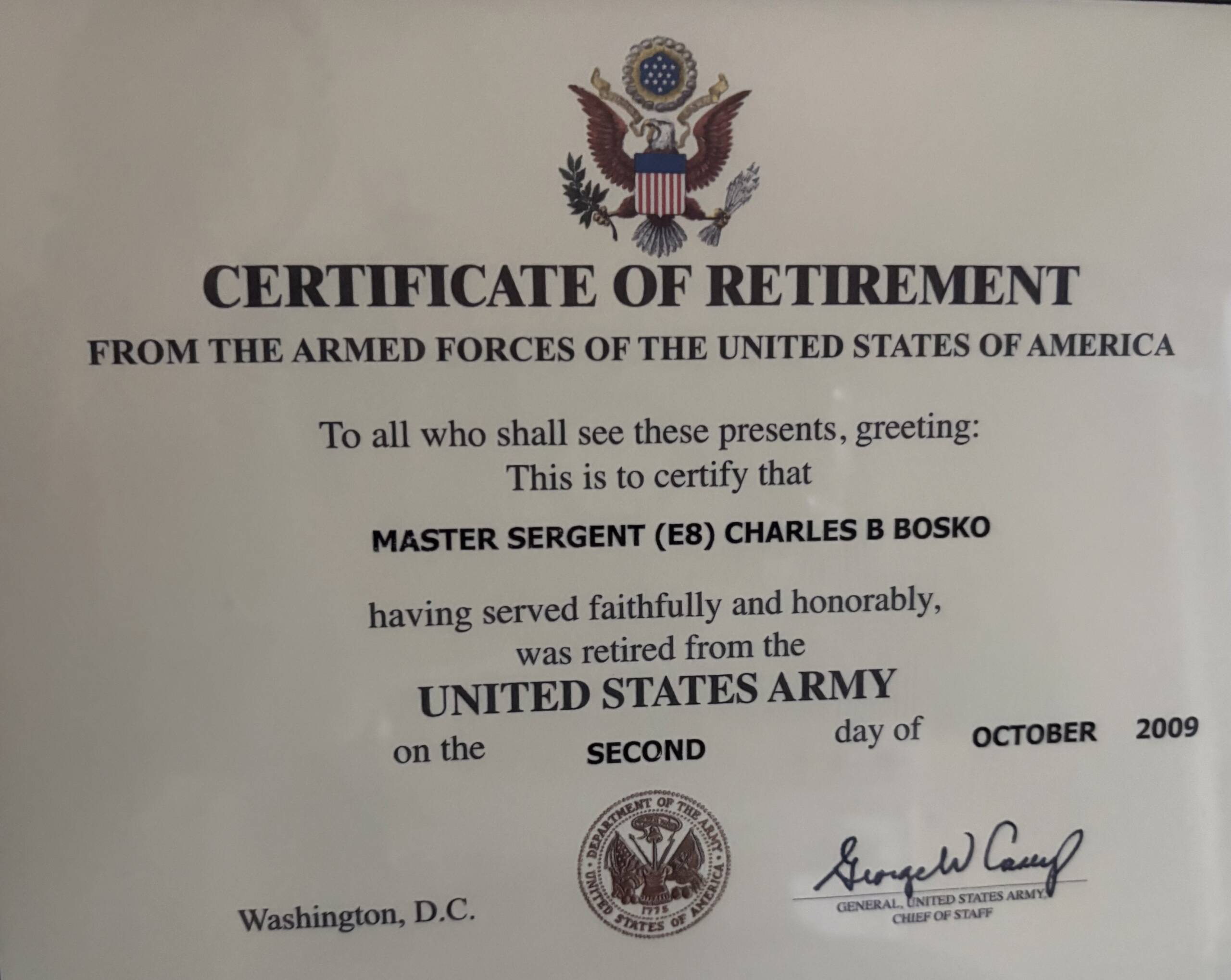
Over the next 40 years and 4 months, “his whole adult life,” Chuck served in various reserve units, being honored with multiple promotions along the way. His final orders for retirement from the Army, or his final discharge (“separation from the military”), took place on October 1, 2009. As Chuck explains, “it was always an honor” to serve in the military, and he realizes that the longer he served our country, the more opportunities also became available to him.
Reflecting on what he learned in the military, Chuck explains that he learned that life and death is something that we all experience, so you need to be able to adapt and adjust when someone dies. However, the training Chuck received in the military was not just about the harsh realities of death and dying, it was also about “responsiveness…that you can’t let death harbor with you because you have to take care of other patients.” He also learned that medical science, just like any other, is not a perfect science: “you are going to lose some patients…death just happens…it’s no one’s fault.”
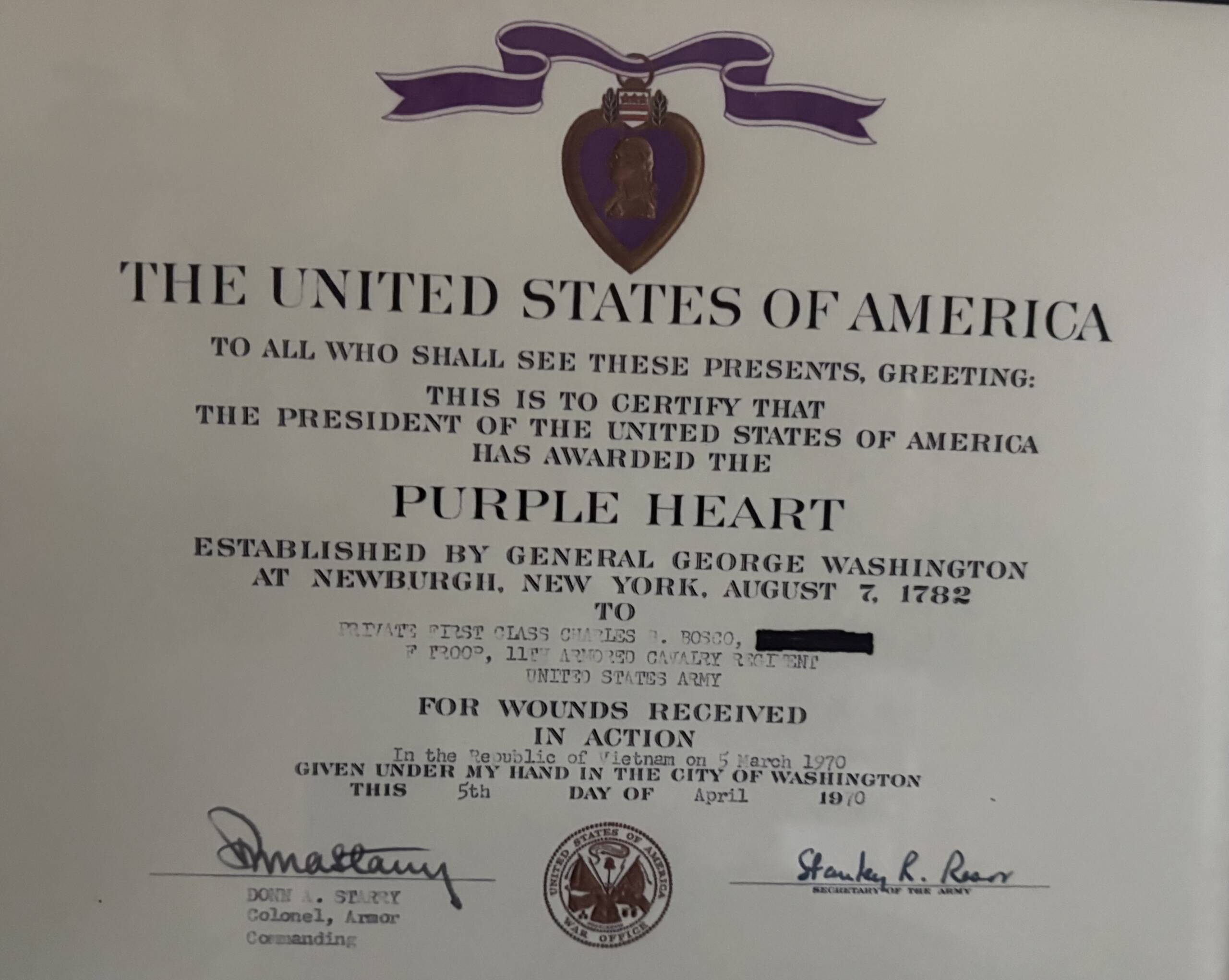
Over the course of his extensive military career, Chuck received the National Defense Medal, Vietnam Service Medal, Vietnam Campaign Medal, Army Commendation Medal, Army Reserve Medal, Armed Forces Reserve Medal, Army Service Medal, Republic of Vietnam Gallantry Unit Medal, the Army Valorous Unit Award, the Airborne Badge, Drill Sergeant Badge, Combat Medic Badge, and the Purple Heart.
Despite all of this, Chuck still responds, when people ask him what he did in Vietnam, “Not enough!”
In addition to his life of service in the military, Chuck enjoyed his work in various fields, after earning a Bachelor of Science in Business Administration from Elmhurst College. With his medical experience, combined with his medical and business degrees, Chuck had successful careers in insurance, real estate and at the USPS. More recently, after years of volunteering at the American Legion, Chuck decided to return to work there as a Veterans Service Officer (VSO) from January 2, 2012, through Dec 31, 2013. He then pursued this same work, in addition to being a Veteran Appeals Specialist, at the Illinois Department of Veterans Affairs, from January 2, 2014, until just a few months ago, when he retired on January 1st of this year (2026).
Presently, Chuck remains very active with both the VFW and the American Legion, where he is the Post Service Officer (PSO). He also writes an article in Thunder Run, a publication that comes out tri-annually.