John (Alan) Matson: Carpenter, Pipe Fitter, Electrician and Tinsmith – At Forty Below
MicheleZander2018-07-09T19:18:18-05:00Carpenter, Pipe Fitter, Electrician and Tinsmith - At Forty Below

Carpenter, Pipe Fitter, Electrician and Tinsmith - At Forty Below
Vital Communications and 15 Months of Smelly Rice Paddies
Forty B-24 Combat Missions Begin with the Palau Islands
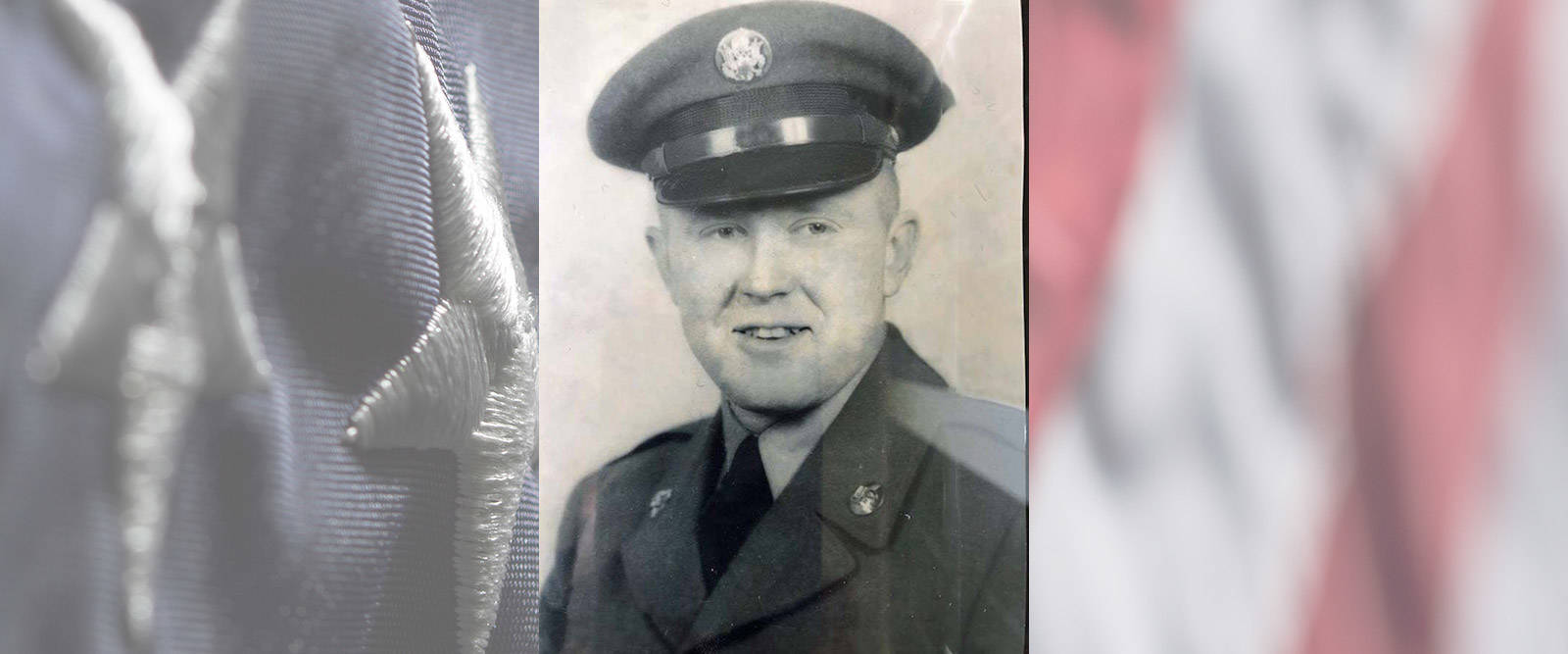
Roger readily admits he was “scared as hell” when he was taken. The Chinese soldiers wrapped a tourniquet around his leg to stop the bleeding, and slapped something mysterious on his wounds. Then, he was held in a 4’ x 6’ cell with a low ceiling, where he survived on a diet of raw fish and rice, and an occasional helping of green, spicy kimchi.
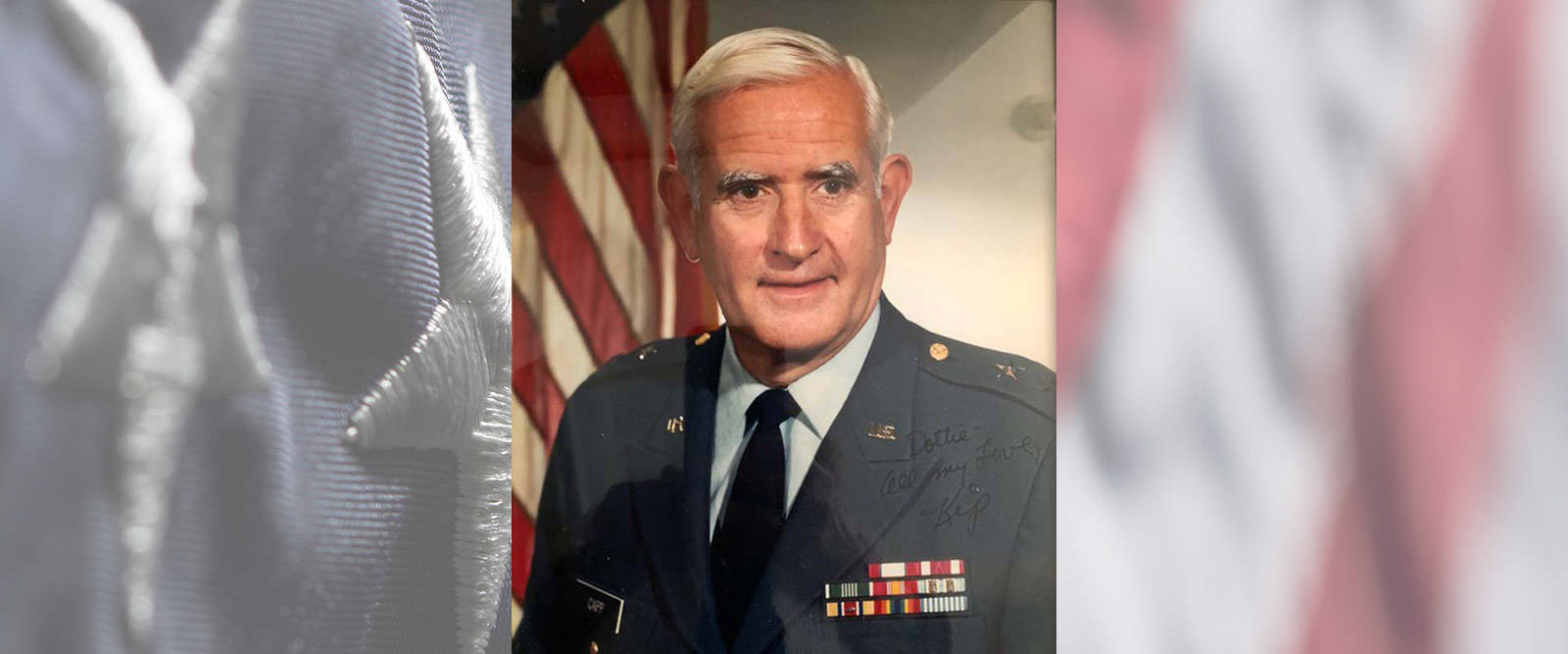
General Capp retired from the military in 1983 after almost 36 years of service in the Illinois National Guard, the U.S. Army and the U.S. Army Reserve. During his military career he was highly decorated, earning the Distinguished Service Medal; the Meritorious Service Medal; the Army Commendation Medal; the Army Reserve Components Achievement Medal with Oak Leaf Clusters; the United Nations Service Medal; the Armed Forces Reserve Medal with two hourglass devices (denoting 20+ years of service); the National Defense Service Medal; the Army Service Ribbon; and the Bronze Order of the de Fleury Medal, presented to an outstanding individual who has rendered significant service or support to an element of the Engineer Regiment.
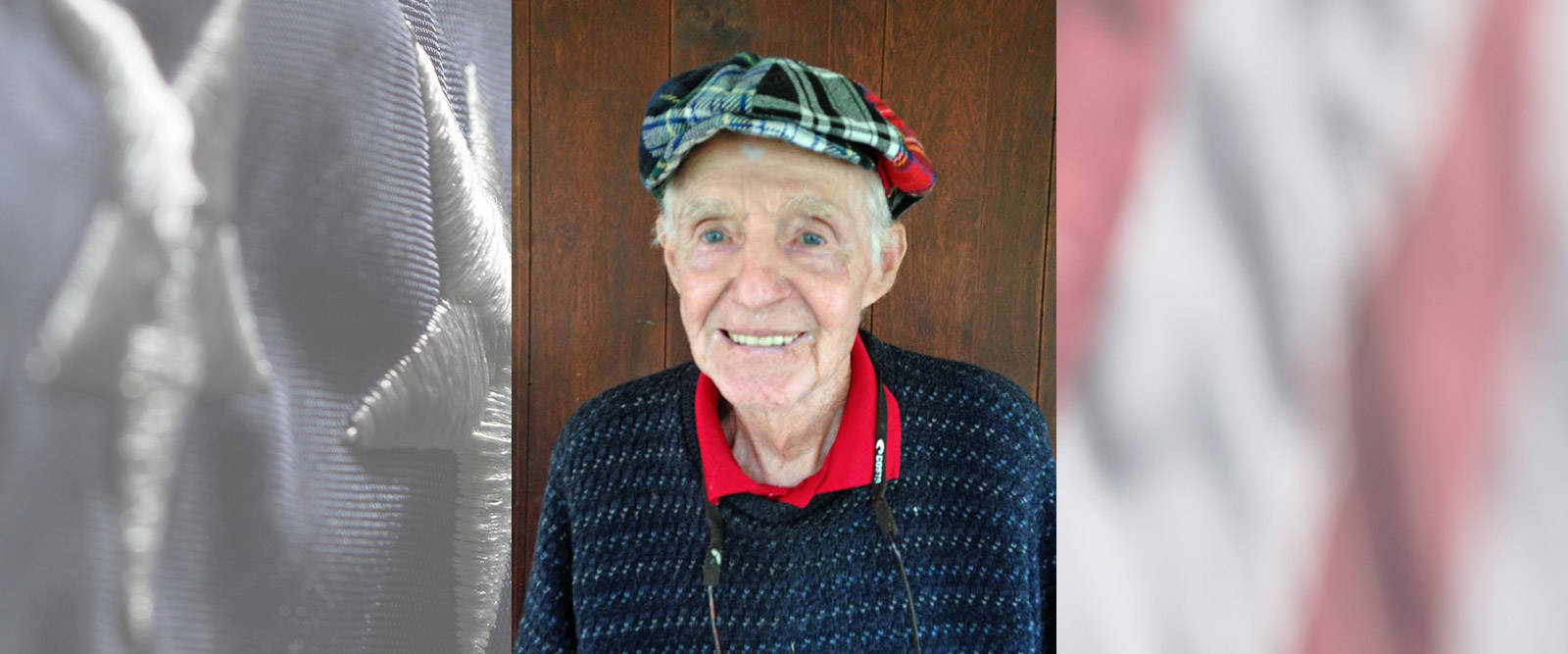
Bill’s ticket home came in the form of the 1956 Olympic trials. U.S. servicemen in Japan were qualifying for swimming and diving, and Bill won platform diving for the Armed Services in the Far East.
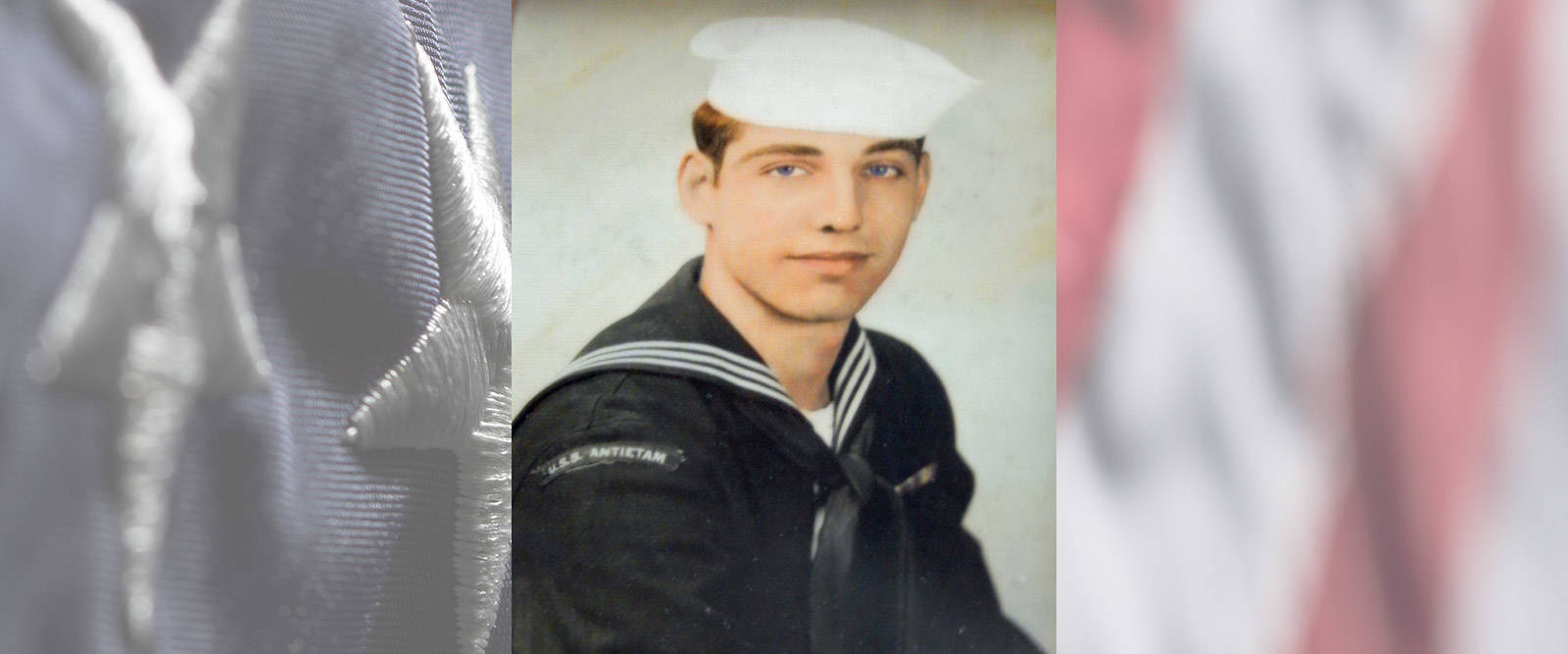
By the summer of 1953, Arnie was promoted to 1st Sergeant. During the fierce battle around Pork Chop Hill, 1st Sergeant (E7) Arnold R. Painter Jr., was wounded when he took a bayonet to his midsection ... His next recollection was waking up on a hospital ship, recovering from his injuries. As fate would have it, in the bed next to him was none other than Arnold R. Painter, Arnie's father, who was recovering from his fourth eye operation. As soon as Arnie Sr. was able to focus, he recognized his son, and stated, “Arnie, (expletives deleted !) what are you doing here? ” The 1st Sergeant immediately notified the Army that his son, Arnie Jr. was only 16, and had lied on his enlistment papers.
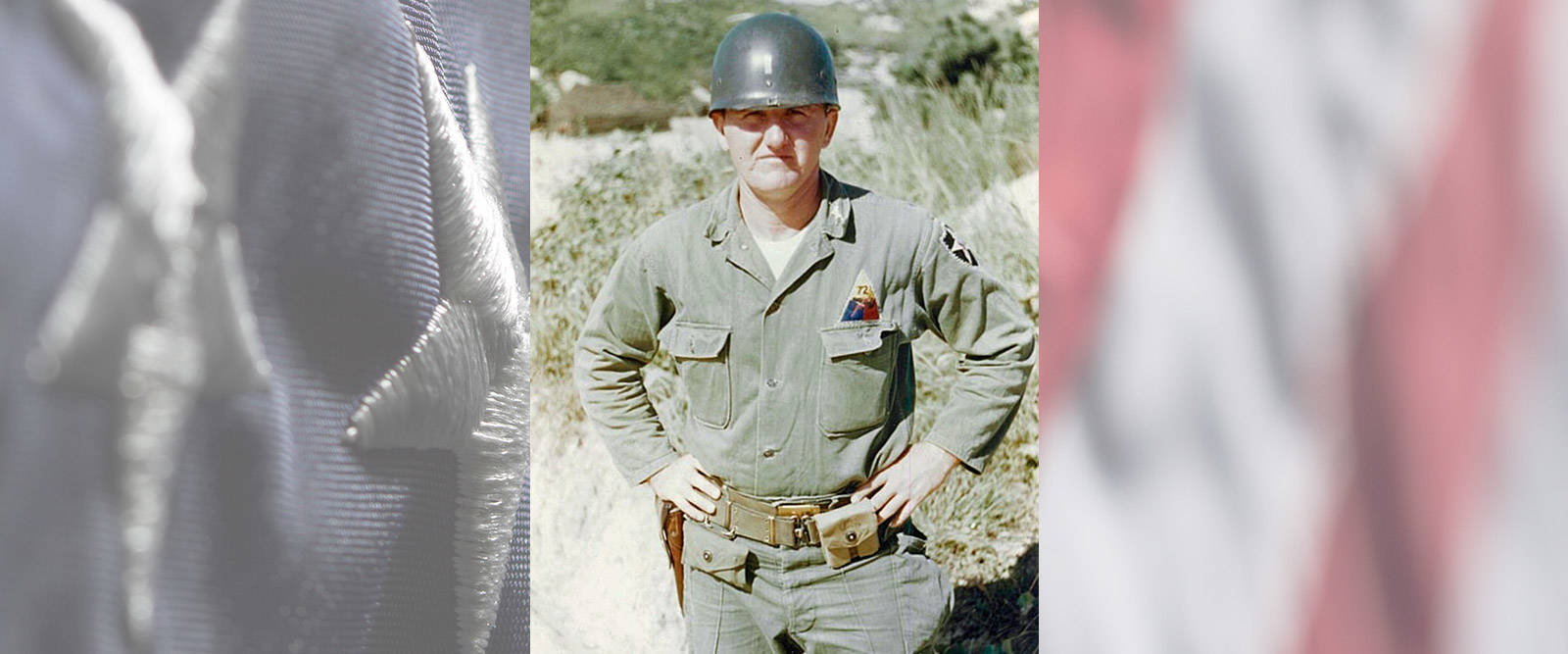
Armistice talks were already underway, but it would be a few months before the fighting came to an end. For those few months, McDonnell found himself on the front lines at White Horse Mountain as a Tank Platoon Leader.
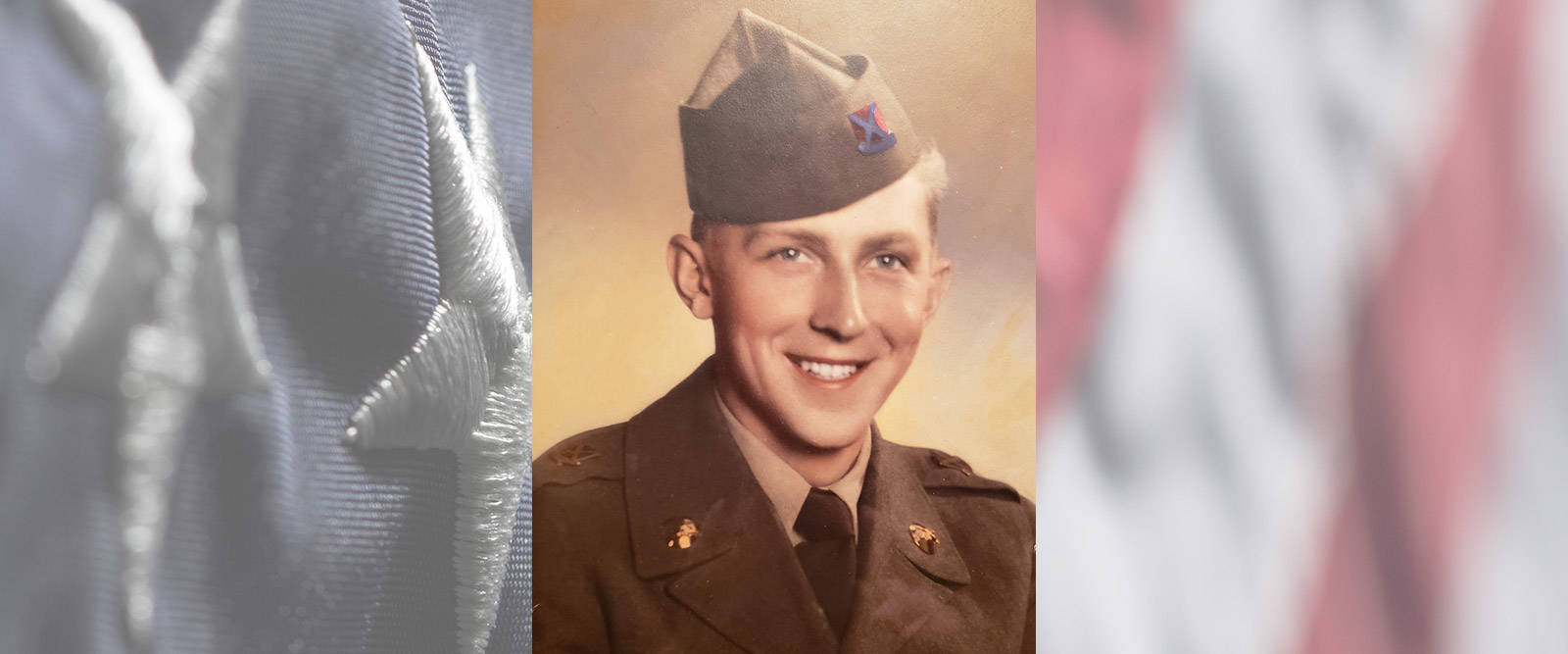
“The winters were very, very cold. Thank God for insulated boots.” Bob and his tent mates took in a young Korean boy who they named “Peanuts.” He would do odd jobs for them and keep their tent clean.
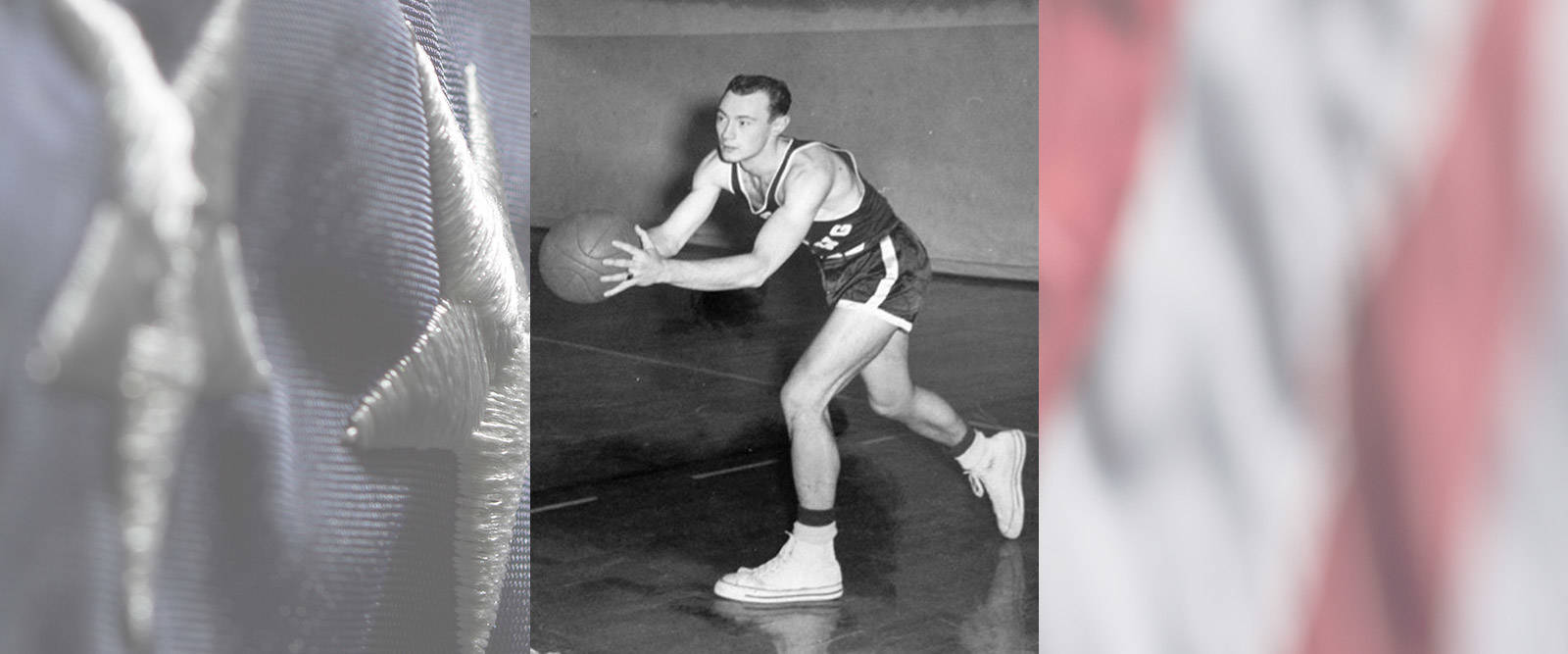
Dale went to Nuremberg, Germany with the 371st Armored Infantry Division. His new world of 201 files and Morning Reports did not really satisfy his creative mind. A buddy suggested that, with his voice and experience, Dale should look into the Armed Forces Network (AFN).
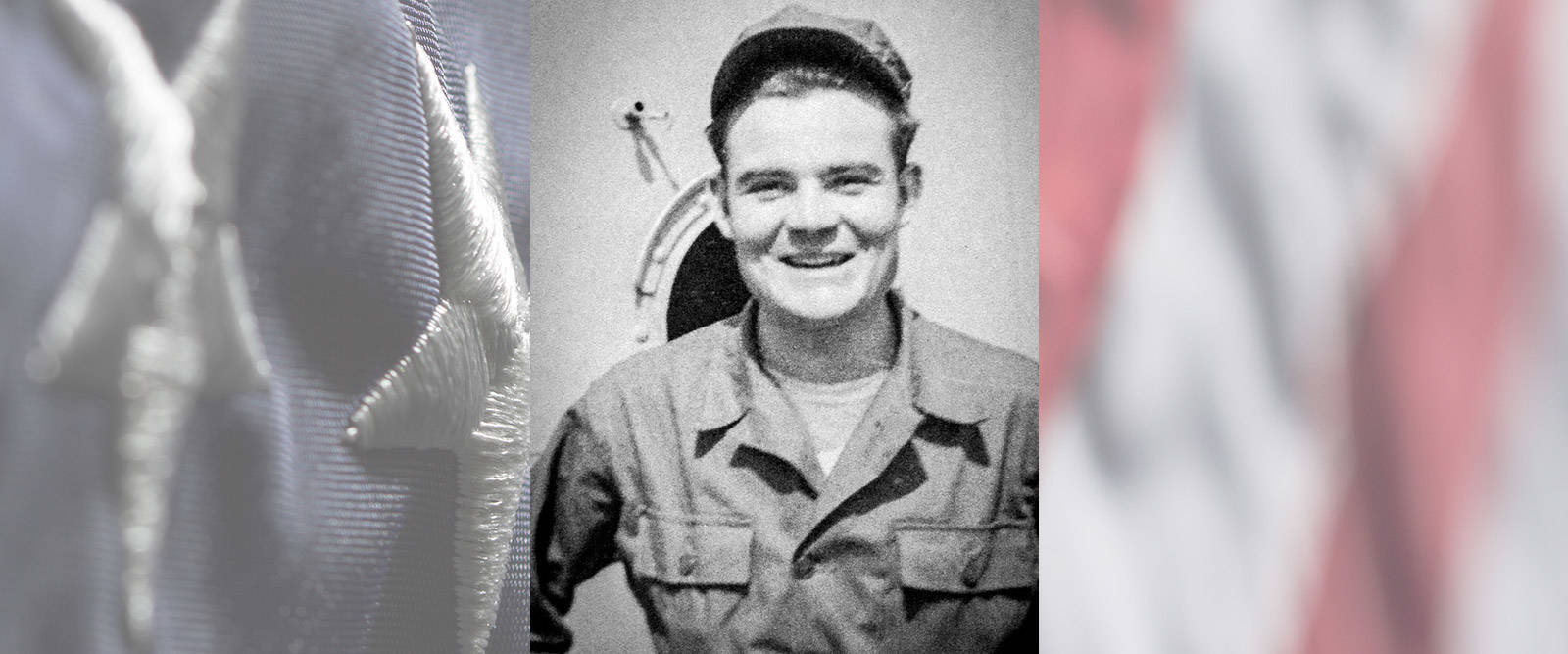
We kept moving forward, and by June we crossed the 38th parallel. We were attacking all the time, and there was a few close calls.
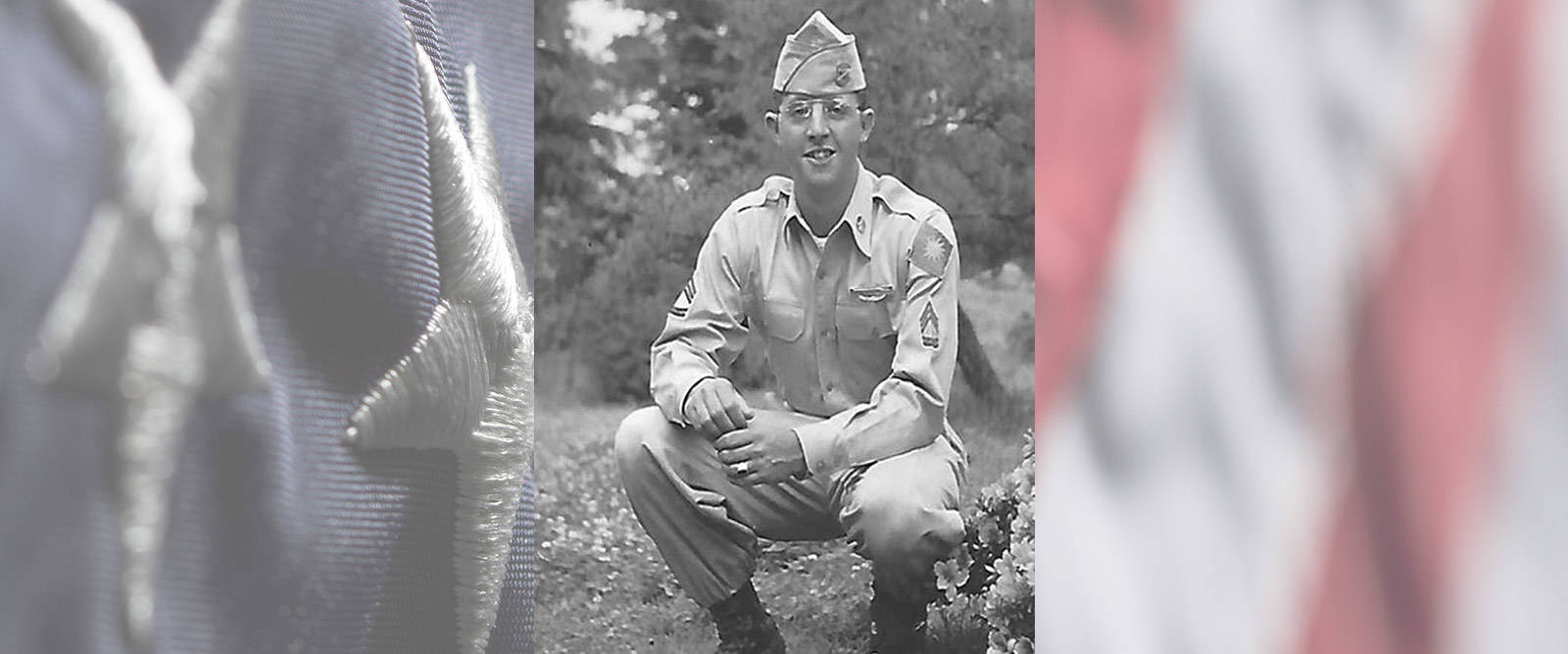
Sergeant DeCicco “distinguished himself . . . serving as a Section Leader in a machine gun platoon, inspired his men through his distinguished leadership and courage while detailed on the outpost line of resistance in support of infantry operations.
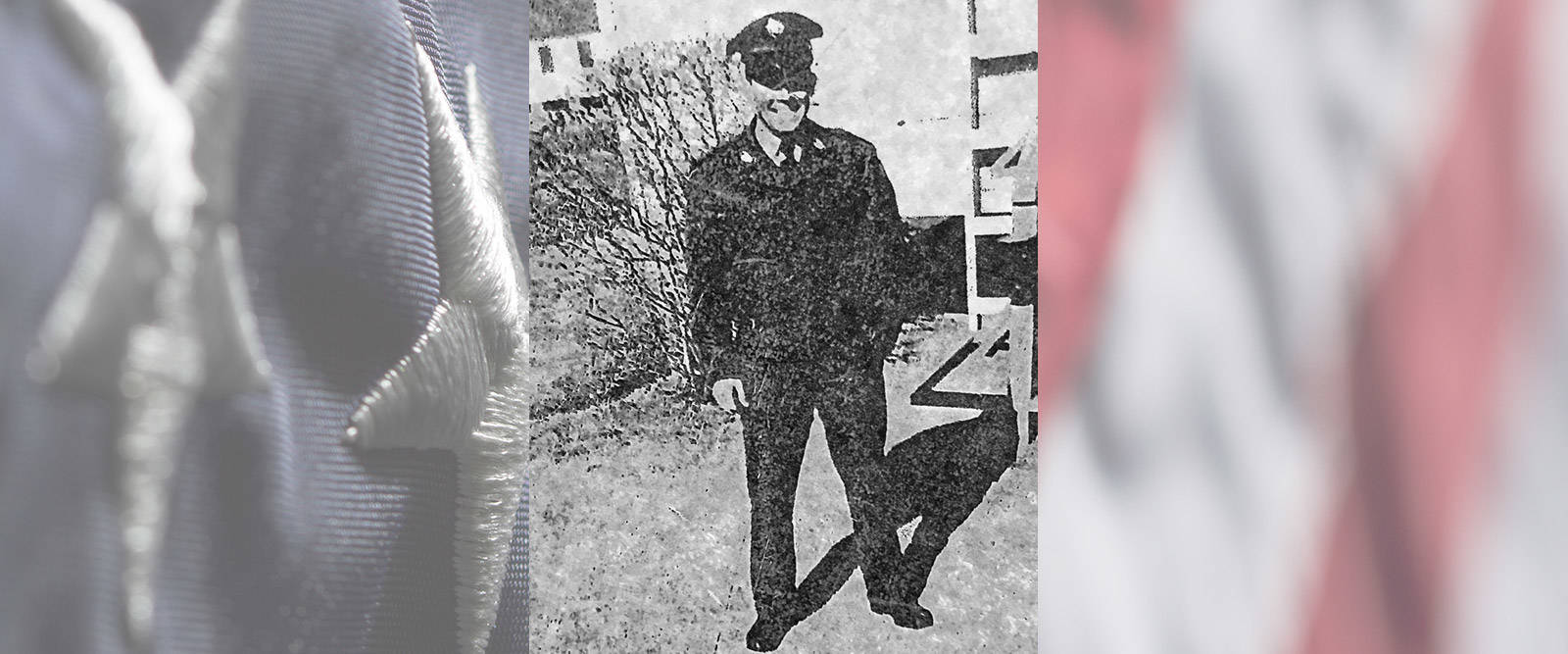
After preparing the weapon to be fired, they were ordered into a trench and told to close their eyes and cover their faces with their forearms ... Even though they had their eyes closed and forearms over them, Don says the blast was so bright that you could see it right through your arm.
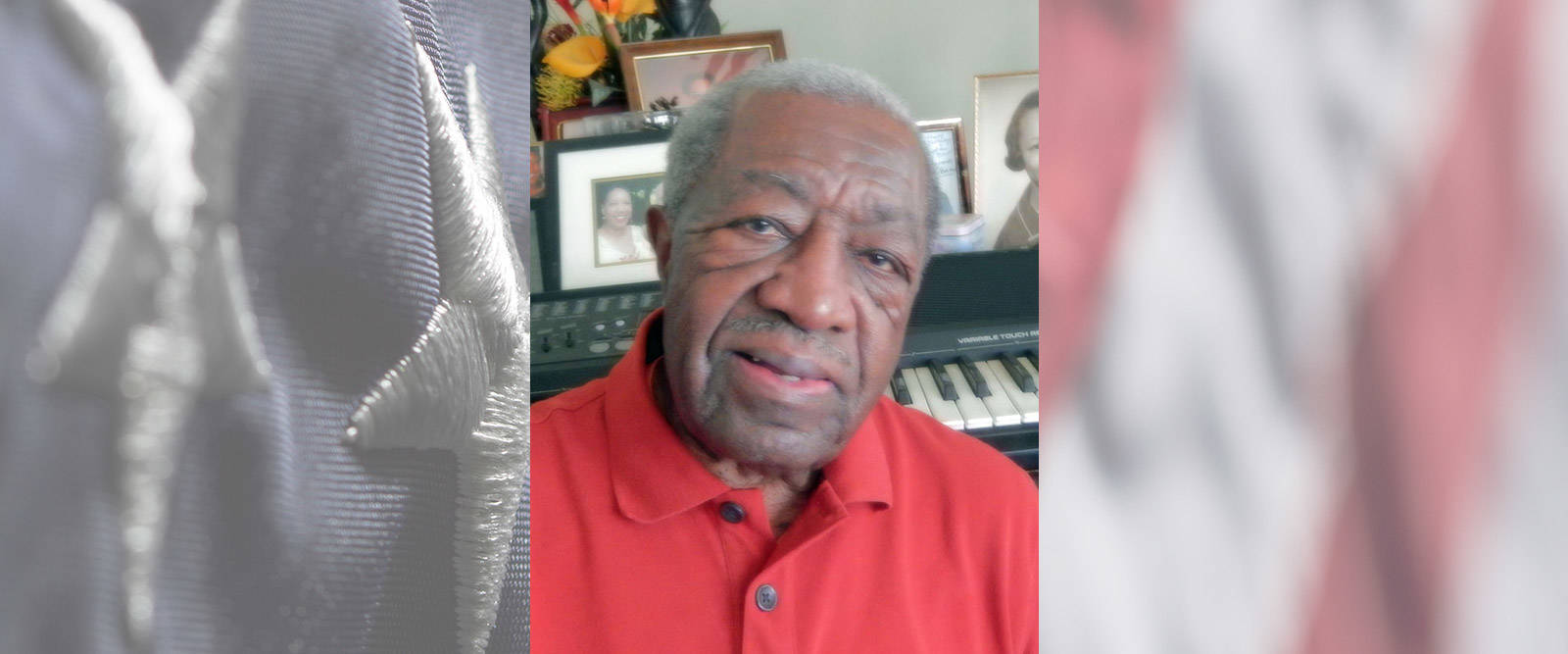
If the dirt roads and mountainous terrain of North Korea weren’t difficult enough for moving men, equipment and supplies in the warm months, when winter set in, they quickly learned that surviving mud, snow, ice and -30 degree temperatures was “the real challenge.”
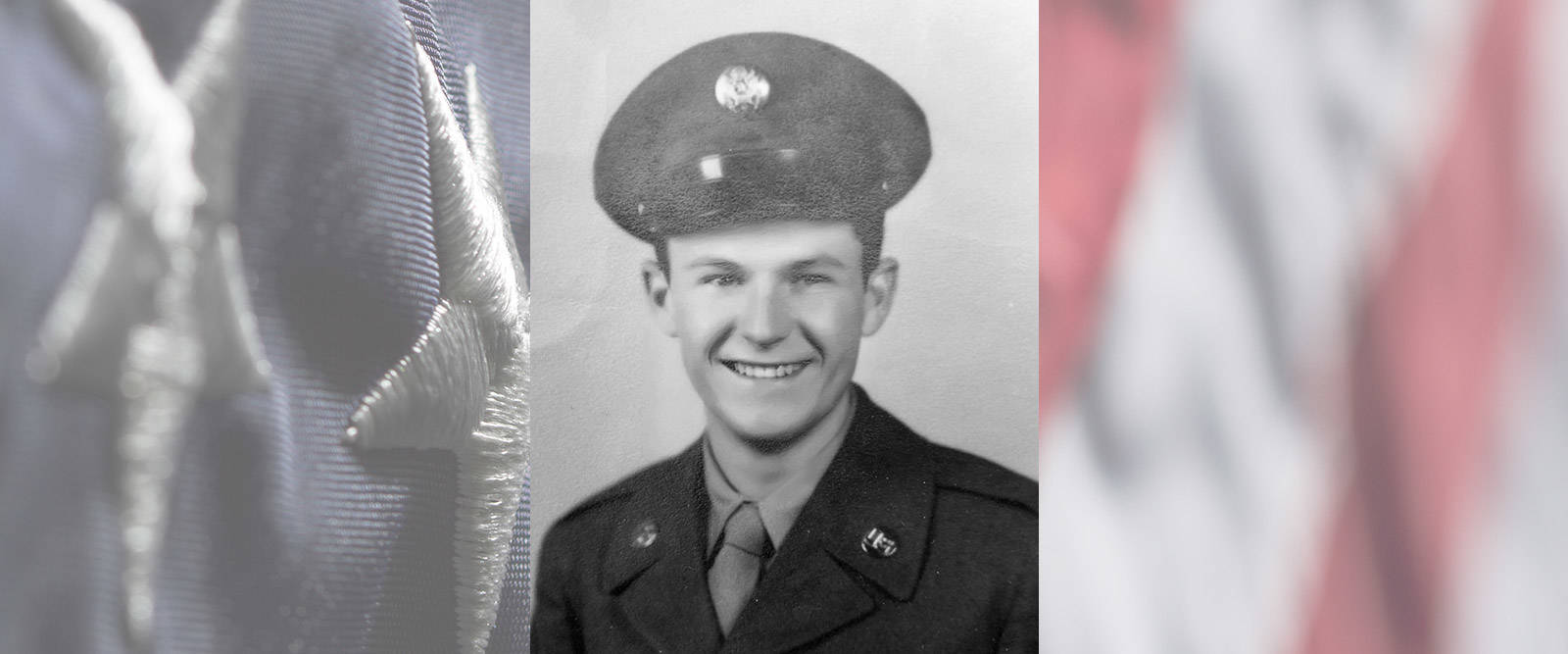
With only one clip Ed asked “What do I do if I run out of Ammo?” The sarge said “Jump off the train and run like hell!”
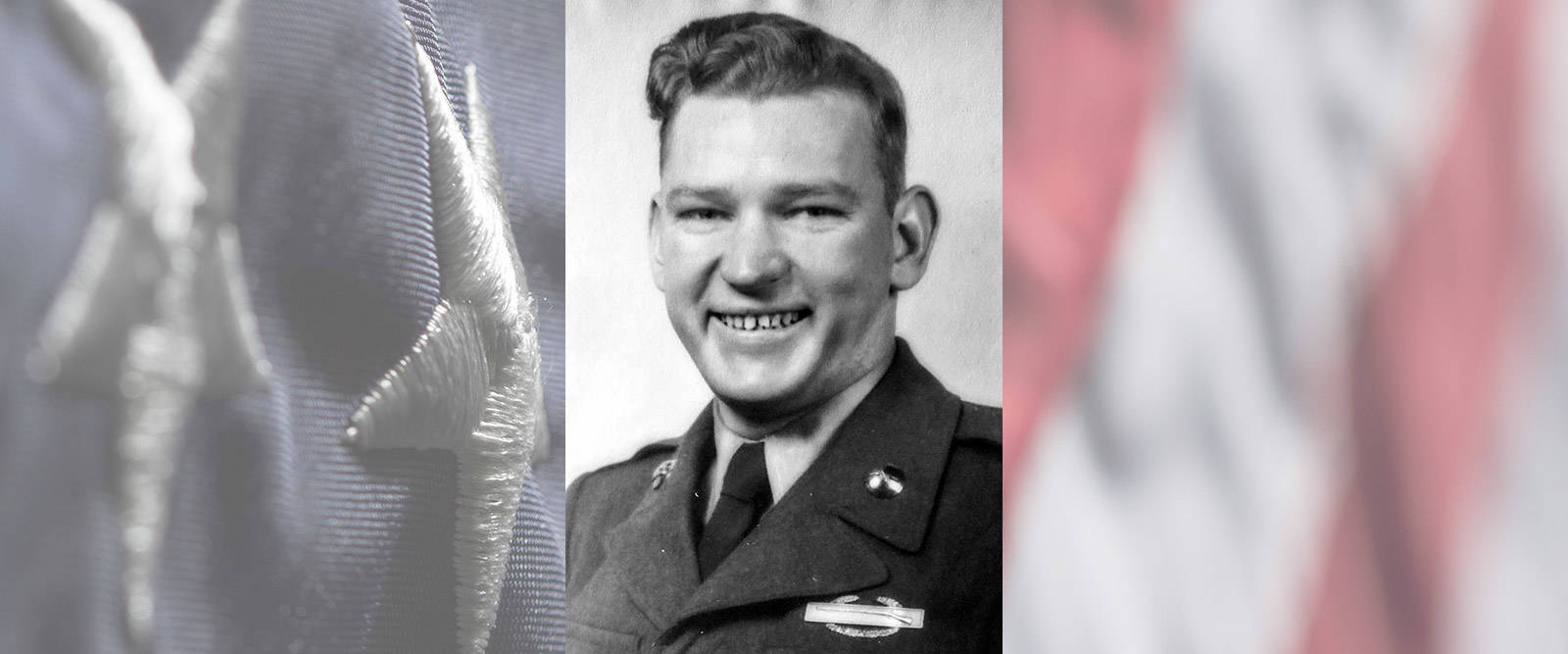
Having been raised on a farm taught teamwork from an early age.

John Martin was a driver for a battalion commander and platoon leader during the Korean War. His brother served in WWII at the Battle of the Bulge.
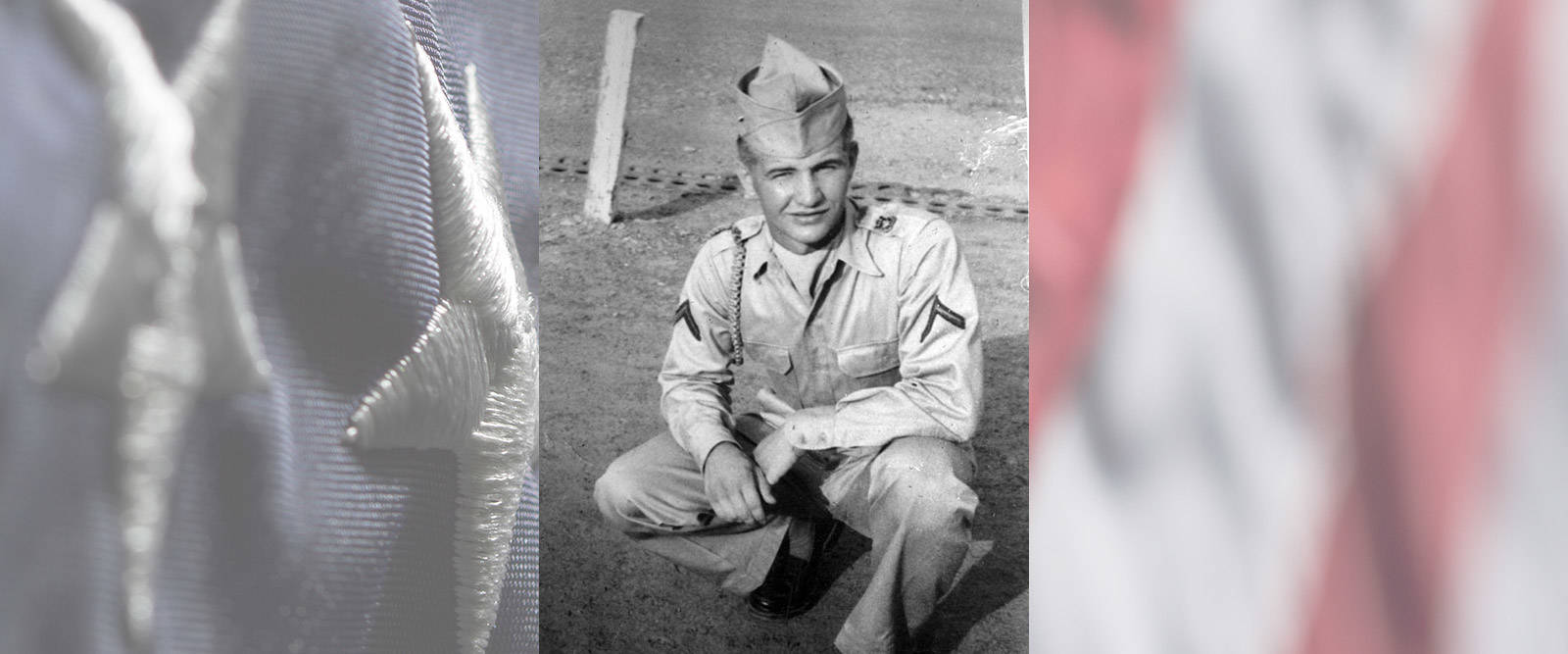
Gene’s job in South Korea was to drive diesel locomotives hauling train cars of ammunition, food, K rations and other supplies. The U.S. Army used the Korean rail system, but the train engines were diesel locomotives brought over from the United States.
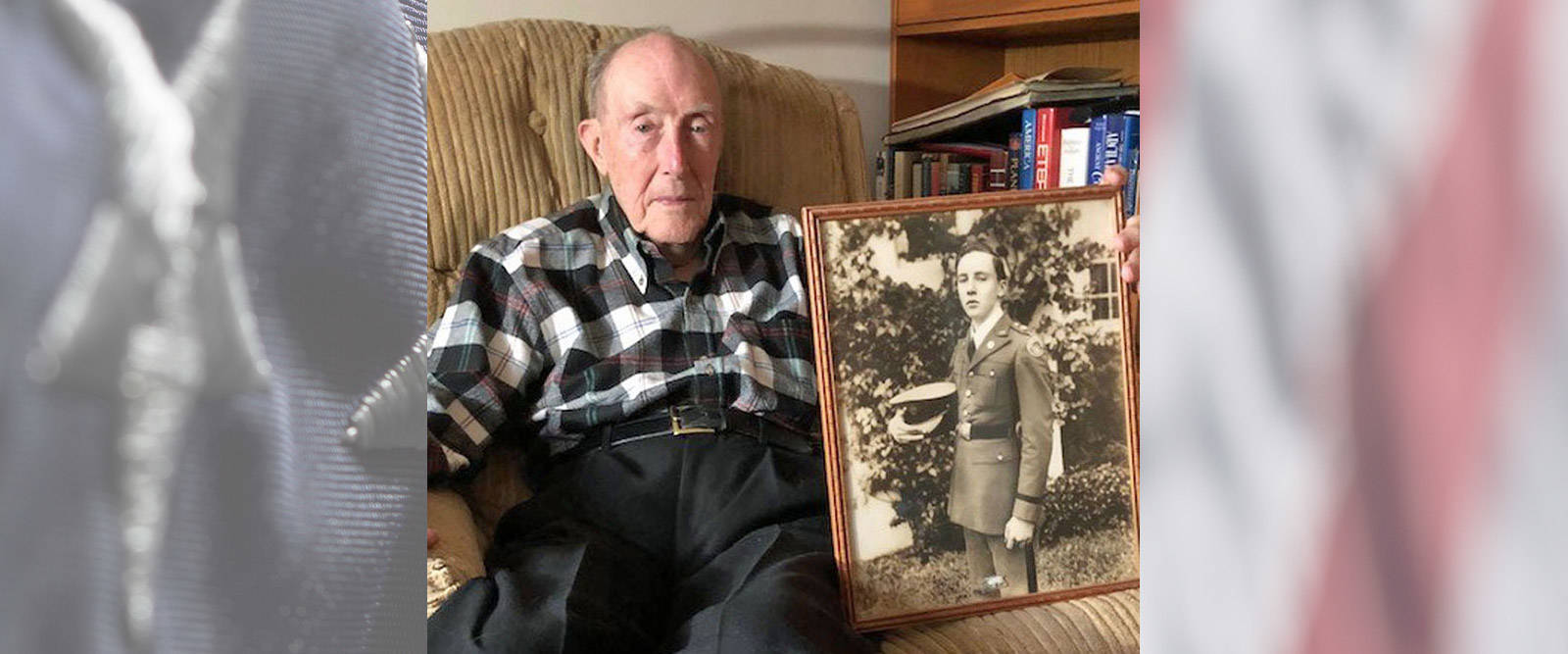
Bill Howland was a POW during World War II. He estimates there were approximately 300 POWs in his group. About two weeks before the war ended, Bill escaped in part by hiding in a barn in a pile of hay.
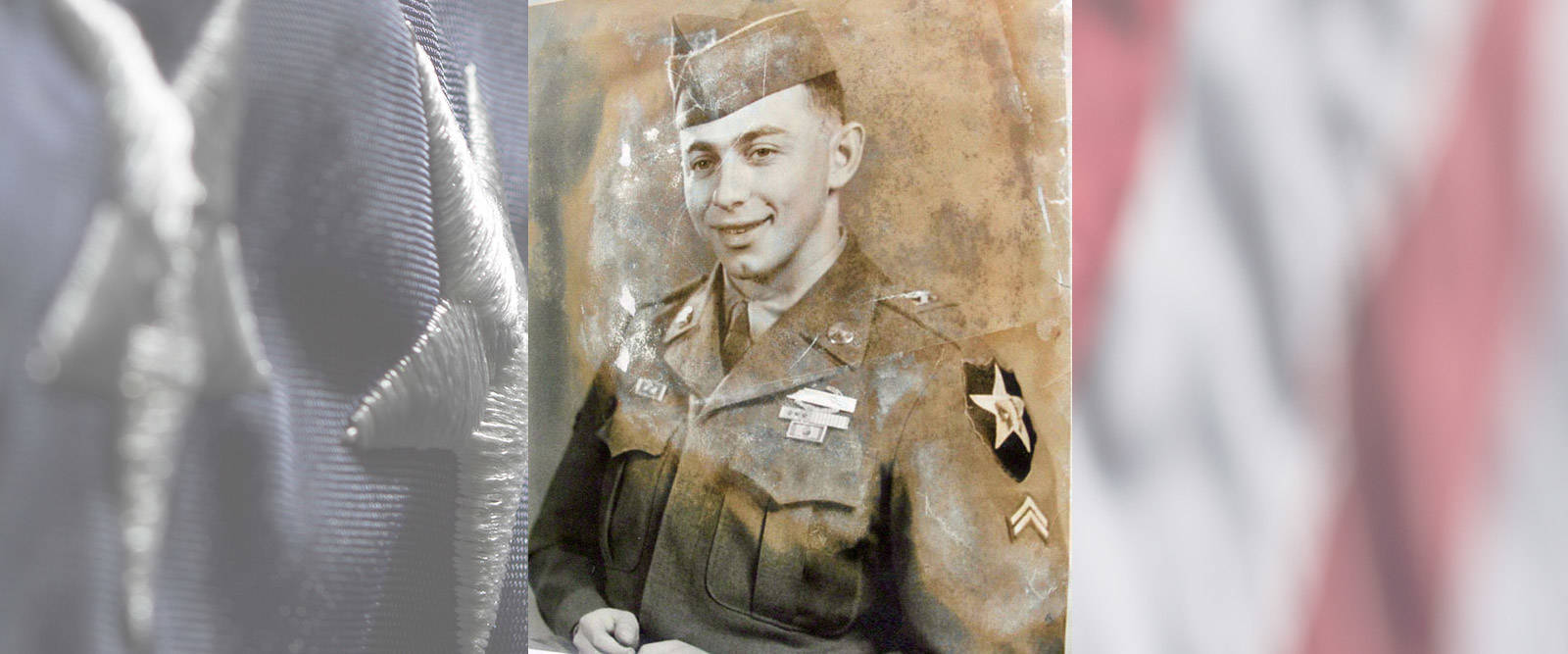
Jerome Adler enlisted in the Army, much to the chagrin of his parents. Jerry remarked that his enlistment was motivated in part by the battlefield death of a childhood friend in Korea during the first year of that war.