
Robert A. Jaegers: Drones were “Top Secret” in 1953
MicheleZander2018-06-01T21:13:53-05:00For an only child, raised by his mother and grandmother, it certainly was a brave move to strike out on his own and one he never regretted.

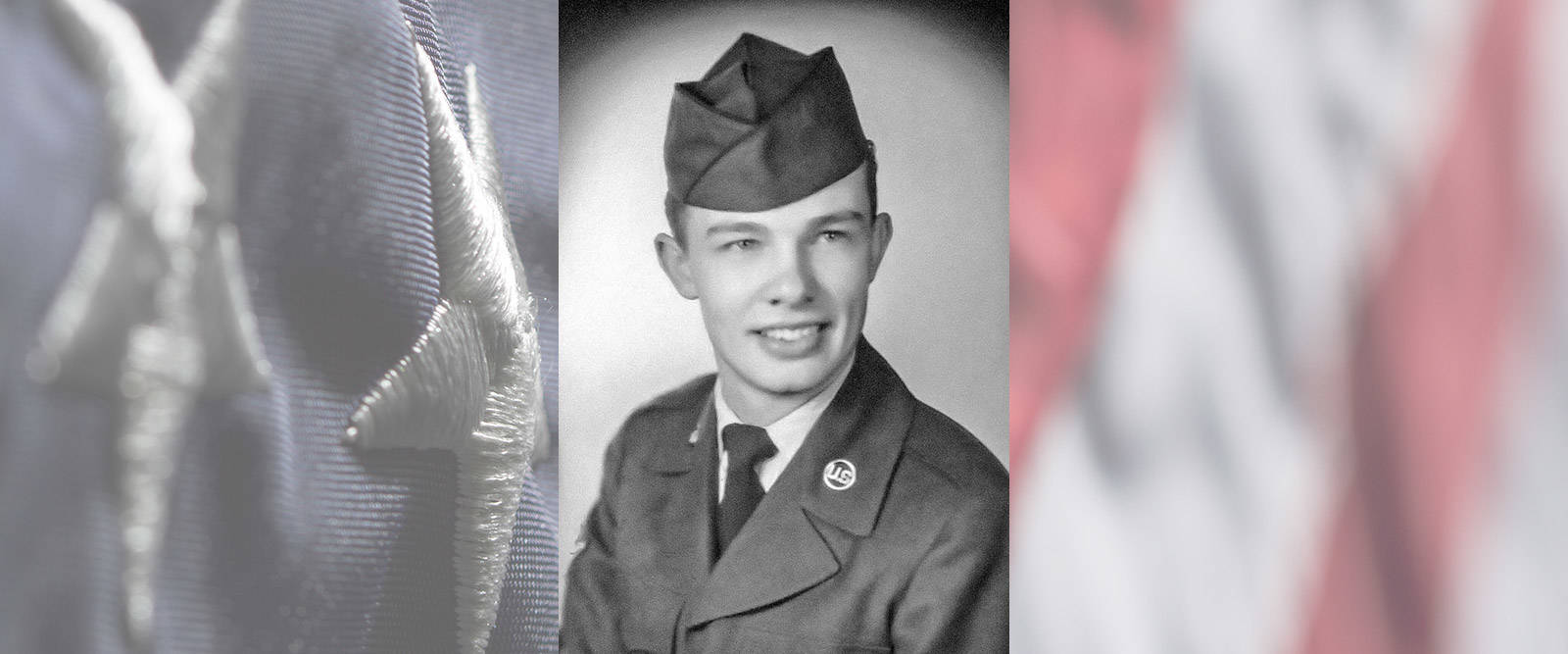
For an only child, raised by his mother and grandmother, it certainly was a brave move to strike out on his own and one he never regretted.
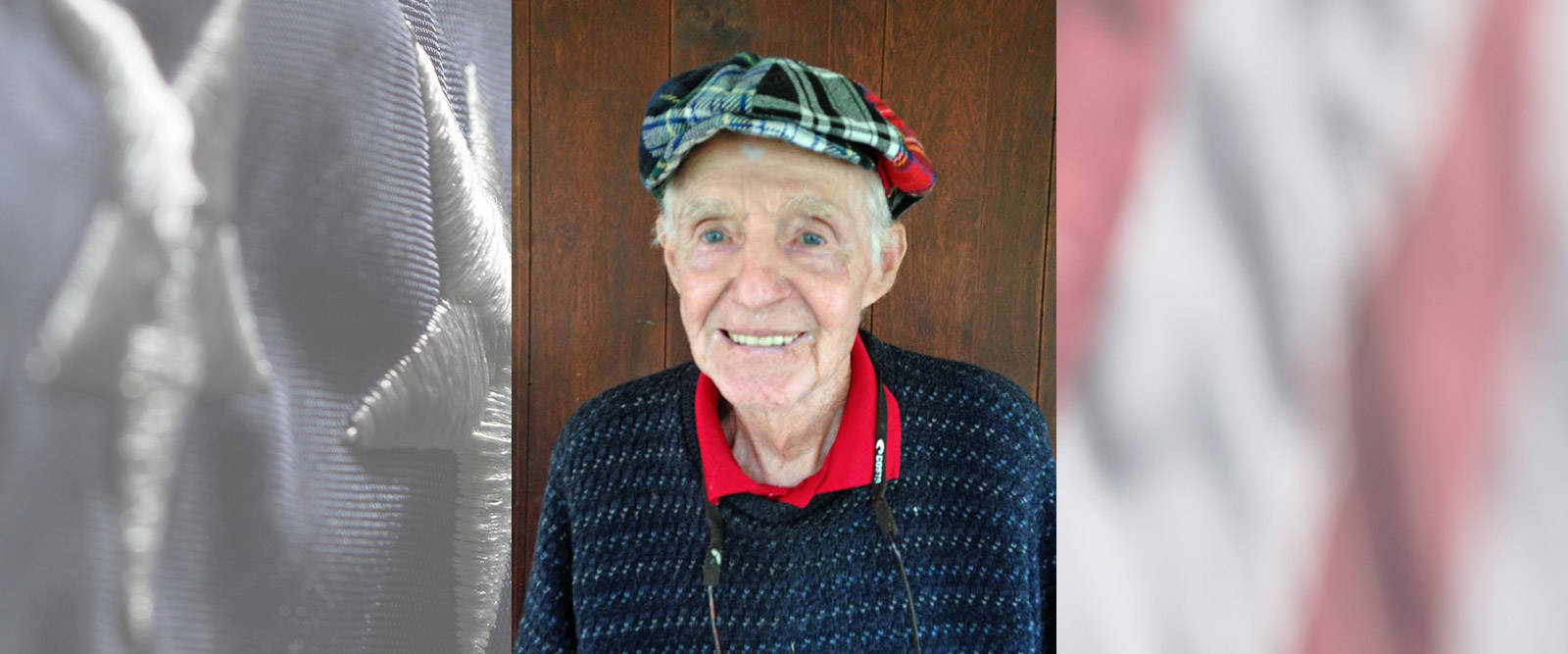
Bill’s ticket home came in the form of the 1956 Olympic trials. U.S. servicemen in Japan were qualifying for swimming and diving, and Bill won platform diving for the Armed Services in the Far East.
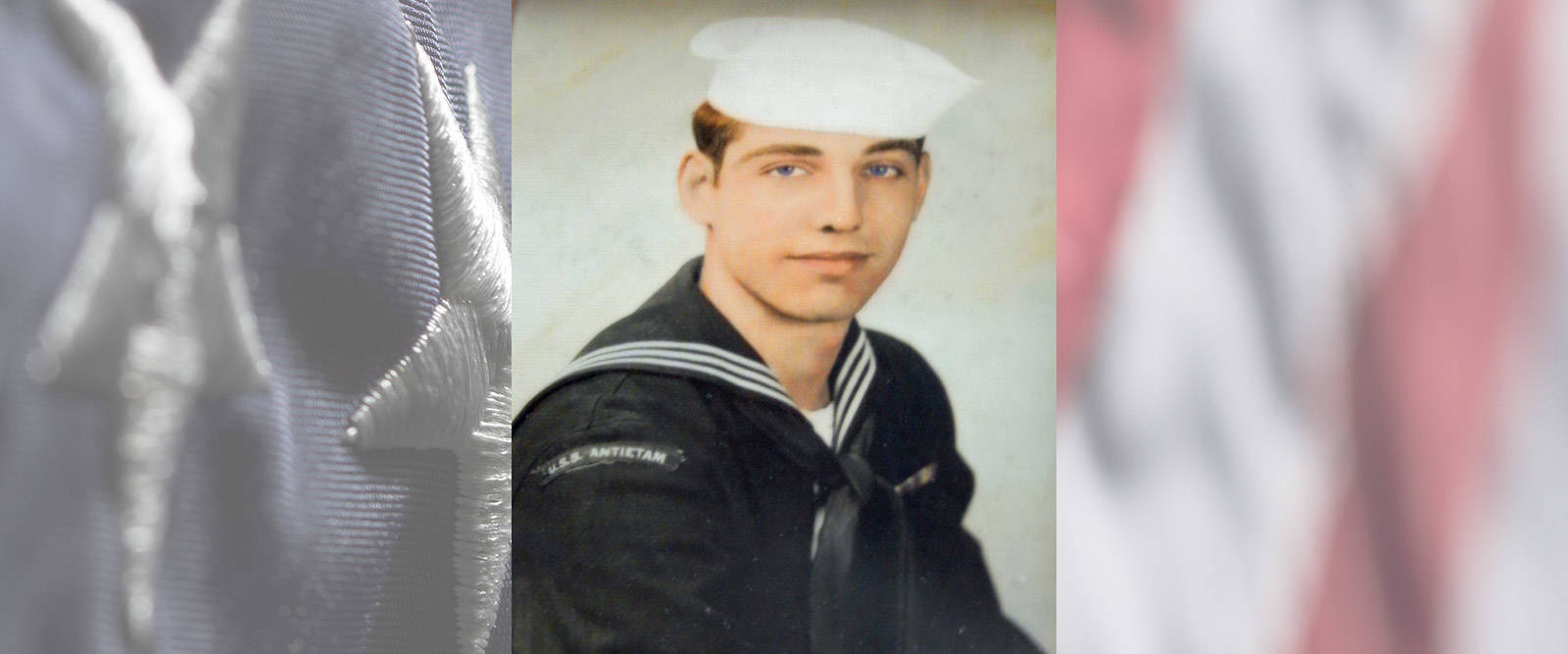
By the summer of 1953, Arnie was promoted to 1st Sergeant. During the fierce battle around Pork Chop Hill, 1st Sergeant (E7) Arnold R. Painter Jr., was wounded when he took a bayonet to his midsection ... His next recollection was waking up on a hospital ship, recovering from his injuries. As fate would have it, in the bed next to him was none other than Arnold R. Painter, Arnie's father, who was recovering from his fourth eye operation. As soon as Arnie Sr. was able to focus, he recognized his son, and stated, “Arnie, (expletives deleted !) what are you doing here? ” The 1st Sergeant immediately notified the Army that his son, Arnie Jr. was only 16, and had lied on his enlistment papers.
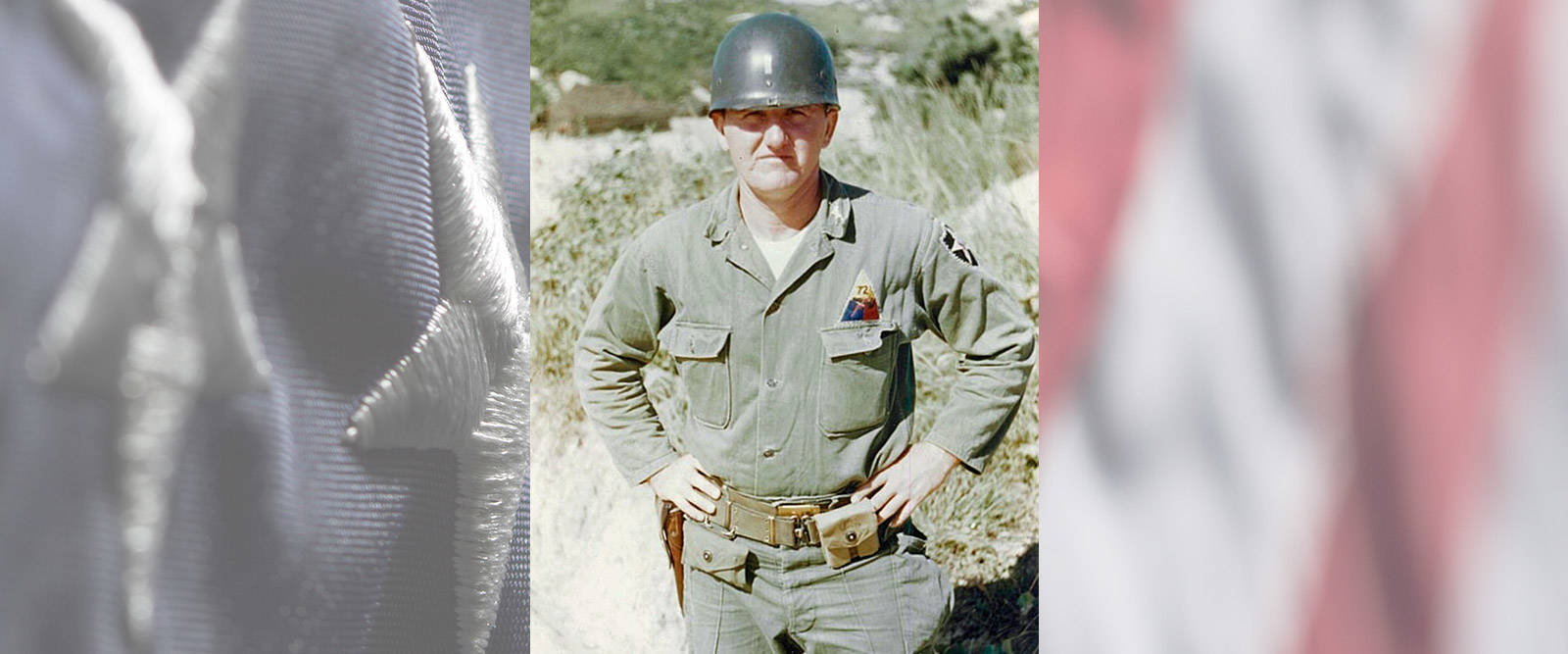
Armistice talks were already underway, but it would be a few months before the fighting came to an end. For those few months, McDonnell found himself on the front lines at White Horse Mountain as a Tank Platoon Leader.
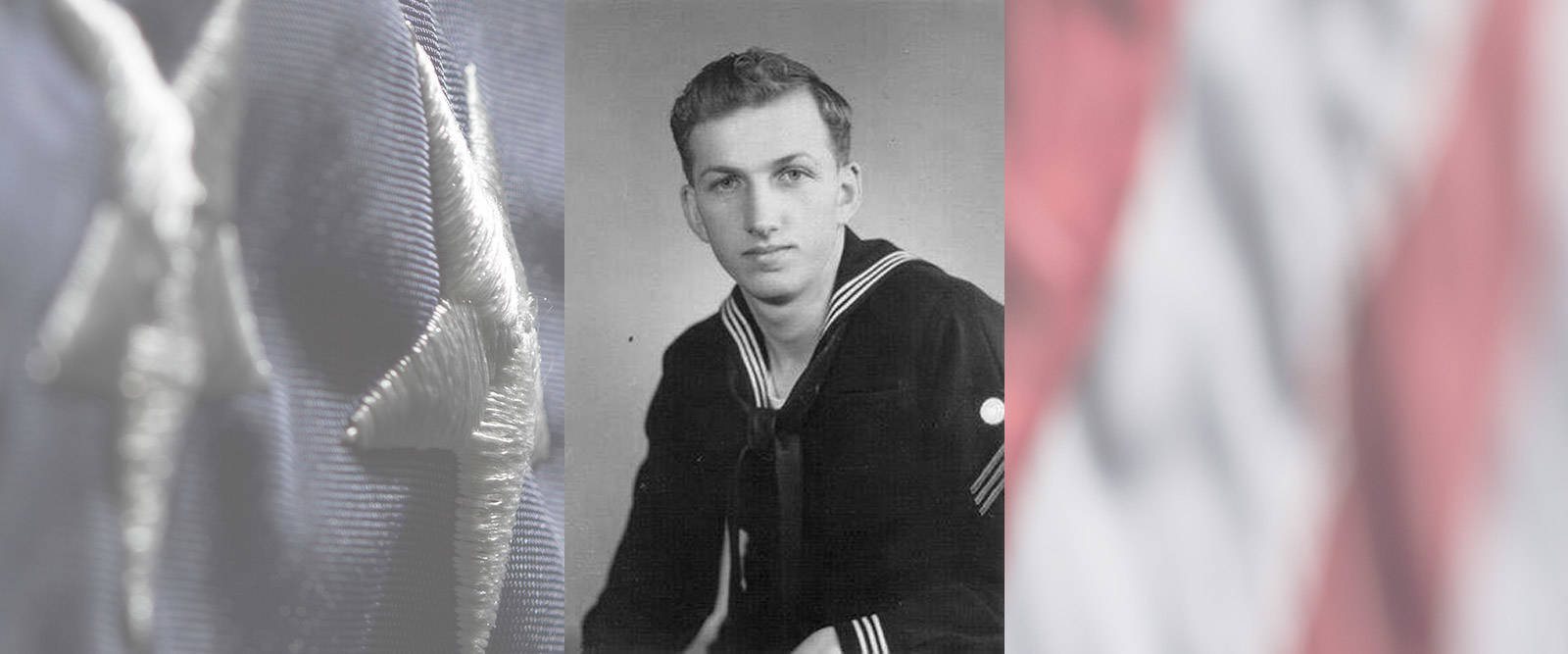
“The military is all about discipline,” says Floyd. “I was used to it growing up. When my dad said to do something, we knew better than to ask why.
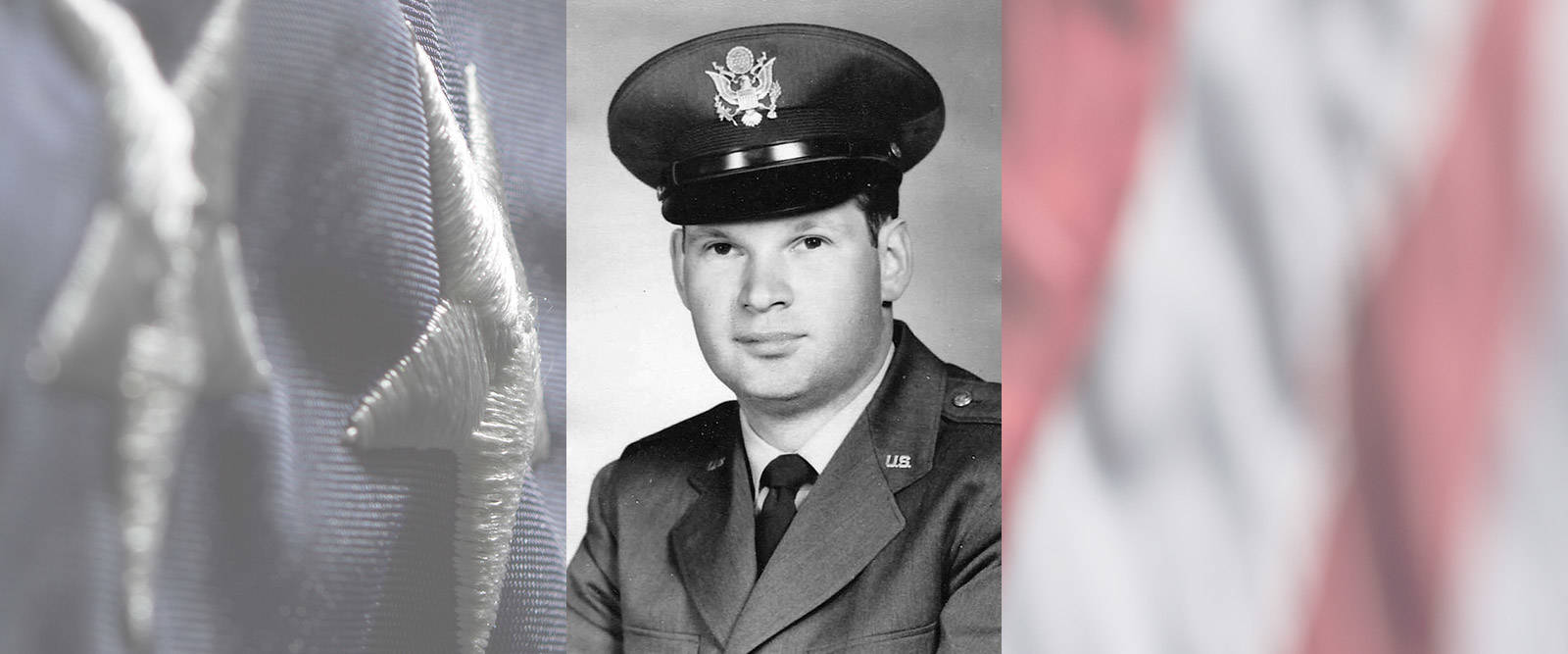
As it was growing dark, Whitman was forced to navigate by the full moon as he once again attempted to raise help on the radio. The plane was now running low on fuel, and Whitman’s “Mayday!” transmissions were answered.
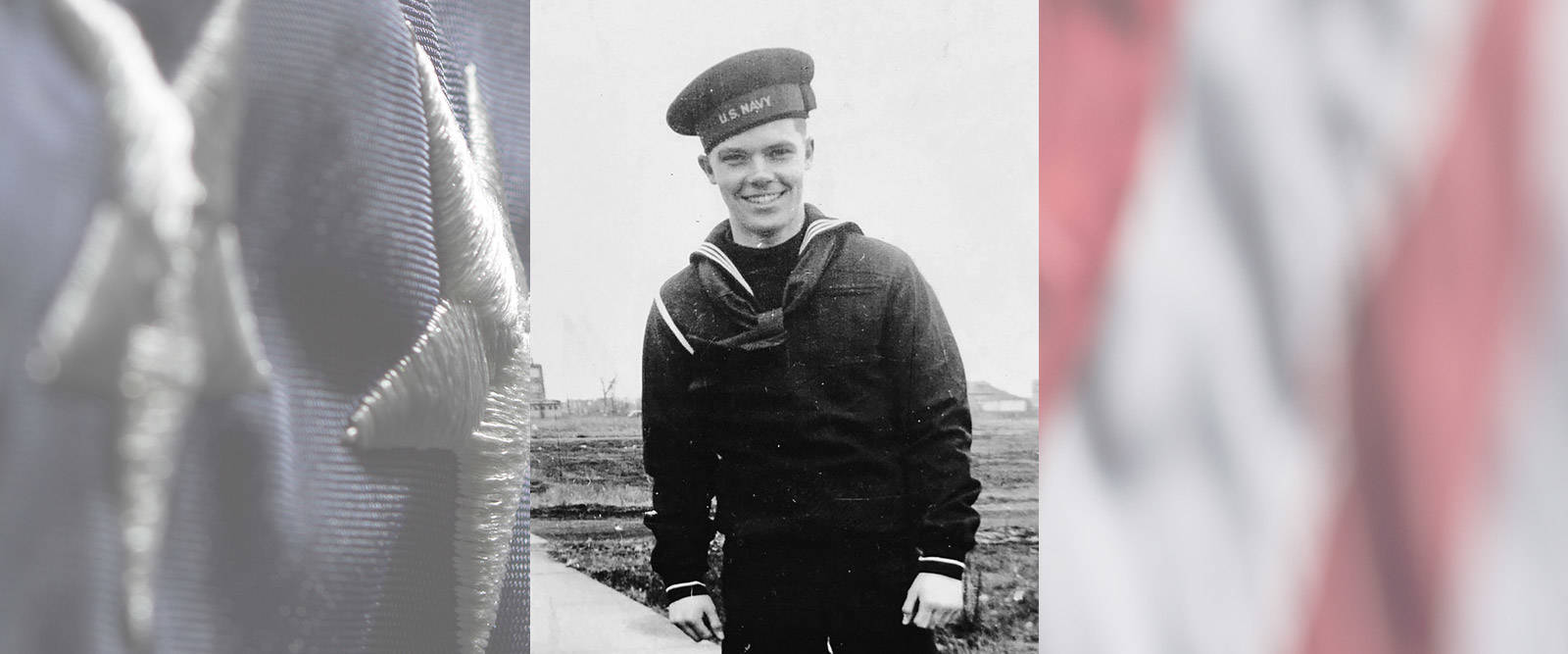
“I thought we were going to take part in the invasion of Tokyo,” he says. “Then we got notice we had bombed Nagasaki, and a few days later we heard about Hiroshima.
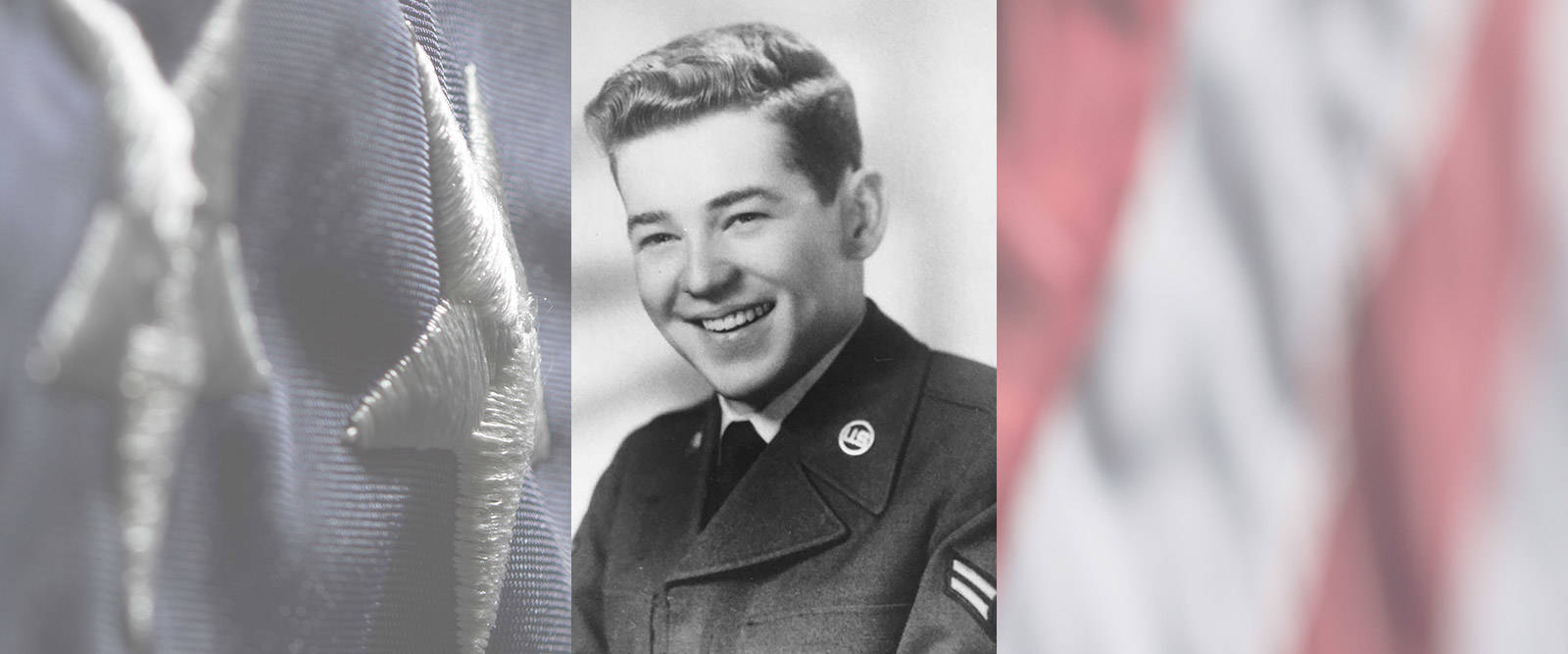
Basic Training was the best thing that ever happened to him in the service. “It wasn’t that I was a wild kid, I just had a lot of wild and goofy things I was doing. The service helped nail me down and straighten me up.”
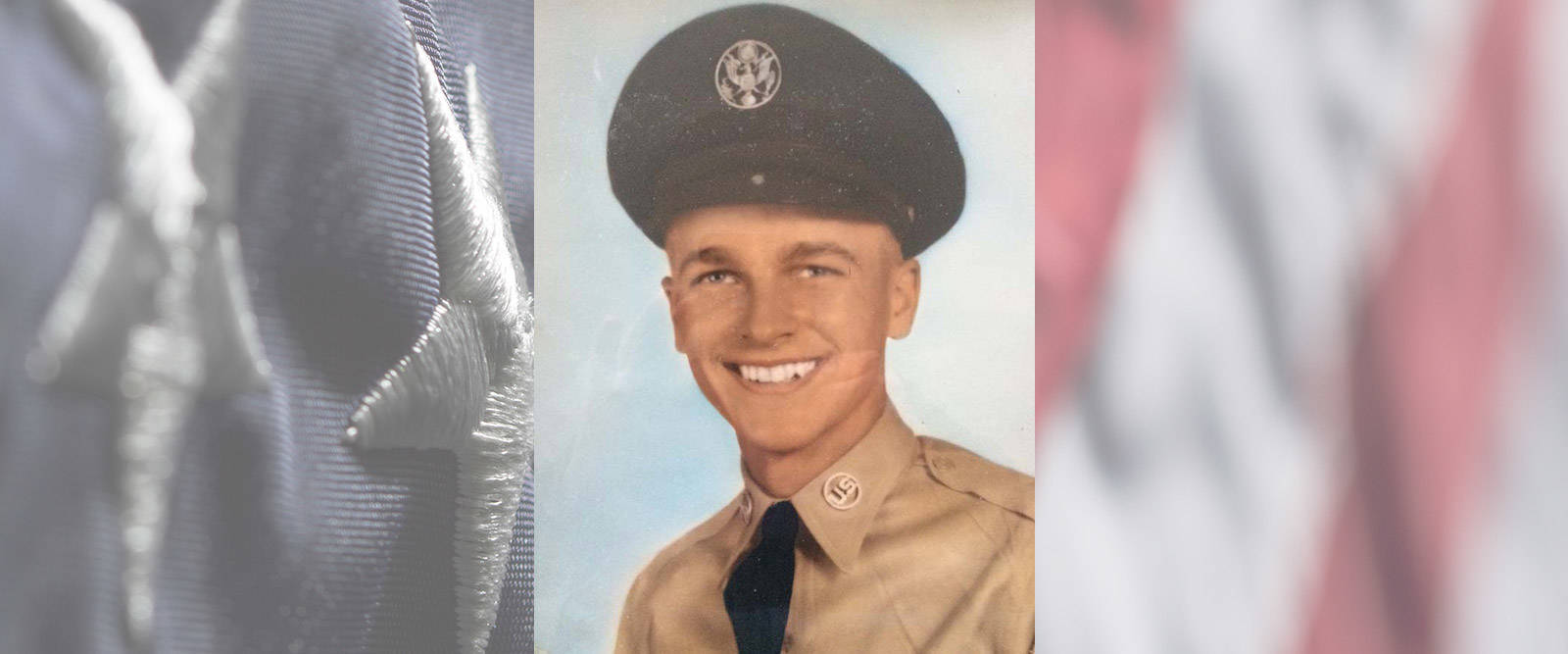
Practical nursing duties, like making a hospital bed and caring for patients was also part of his training, as well as general maintenance of a surgical unit. Despite having no medical background, Ralph was enthusiastic about his new assignment and says “when you love something, you can learn anything.”
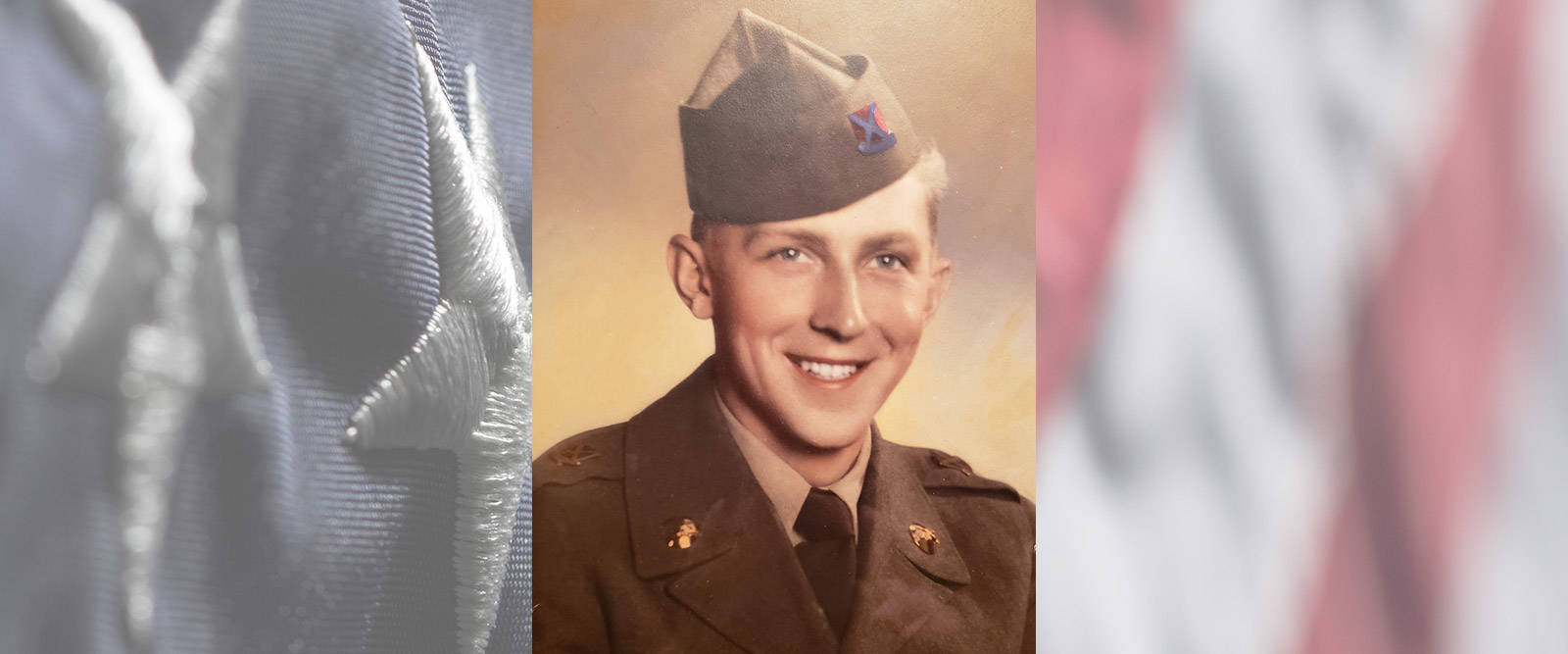
“The winters were very, very cold. Thank God for insulated boots.” Bob and his tent mates took in a young Korean boy who they named “Peanuts.” He would do odd jobs for them and keep their tent clean.
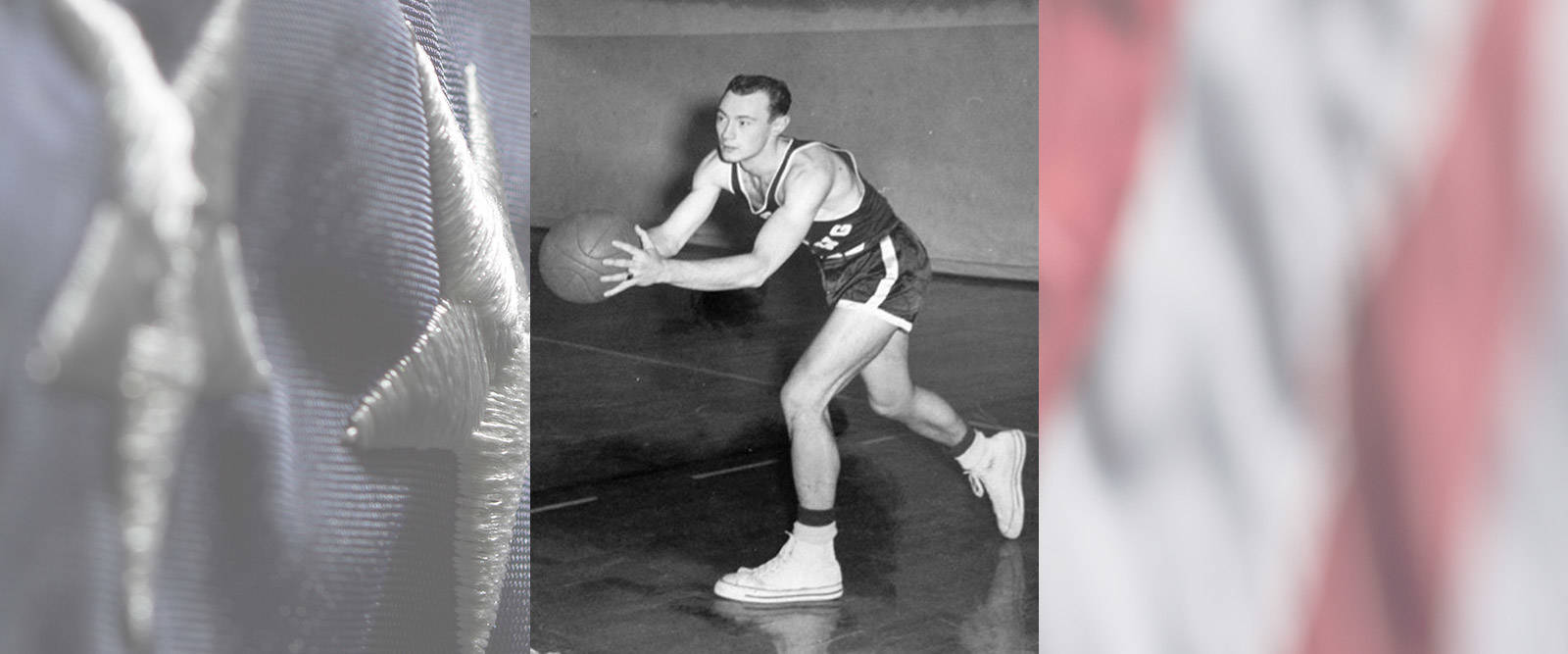
Dale went to Nuremberg, Germany with the 371st Armored Infantry Division. His new world of 201 files and Morning Reports did not really satisfy his creative mind. A buddy suggested that, with his voice and experience, Dale should look into the Armed Forces Network (AFN).
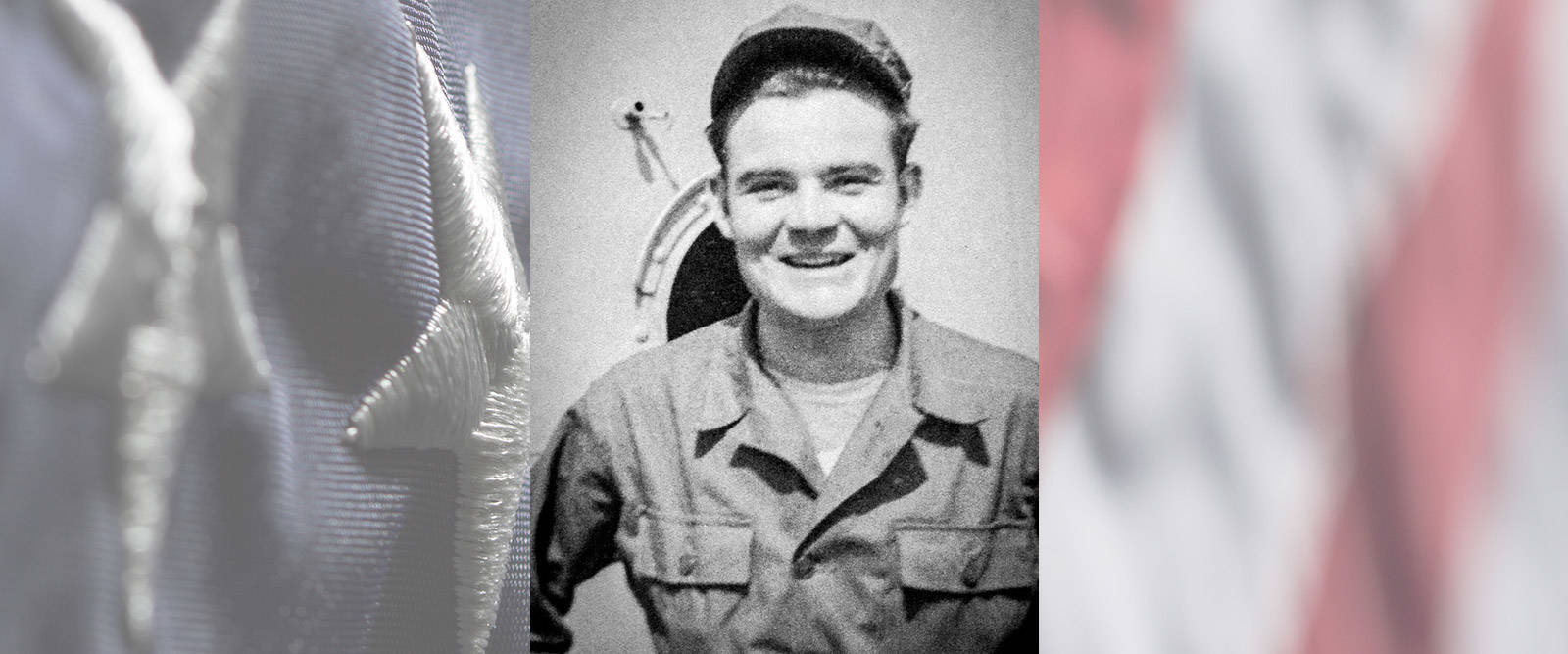
We kept moving forward, and by June we crossed the 38th parallel. We were attacking all the time, and there was a few close calls.
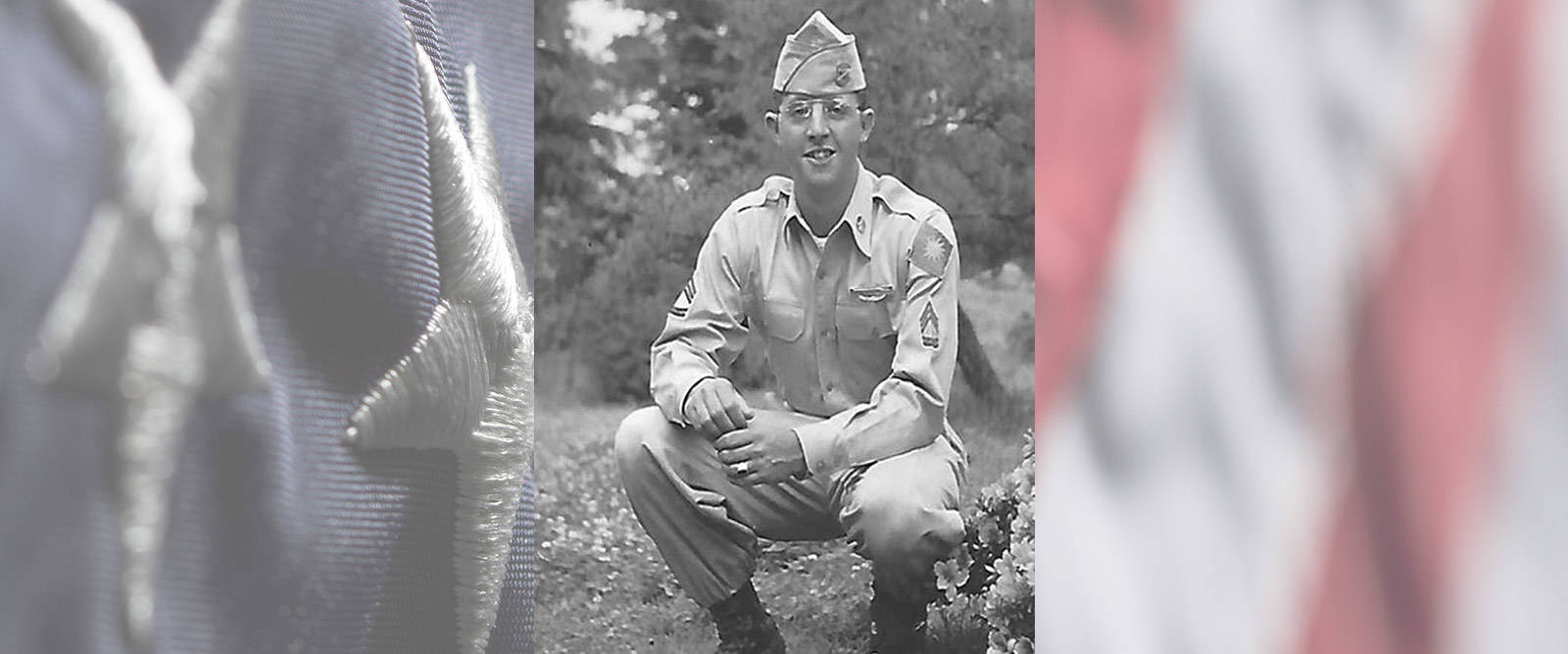
Sergeant DeCicco “distinguished himself . . . serving as a Section Leader in a machine gun platoon, inspired his men through his distinguished leadership and courage while detailed on the outpost line of resistance in support of infantry operations.
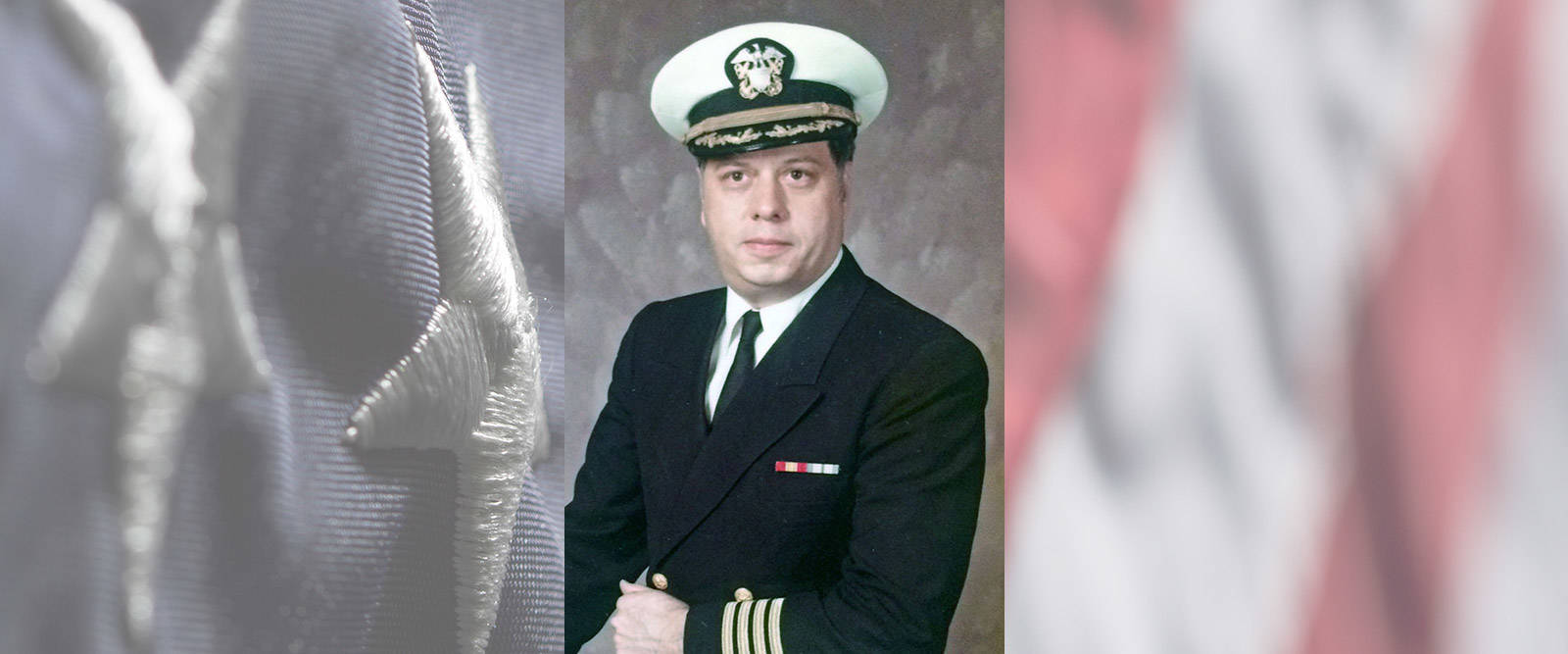
John’s ship was on the water during two dangerous hurricanes. The first, Hurricane Hazel, a Category 4, was the deadliest and costliest hurricane of that year.
After preparing the weapon to be fired, they were ordered into a trench and told to close their eyes and cover their faces with their forearms ... Even though they had their eyes closed and forearms over them, Don says the blast was so bright that you could see it right through your arm.
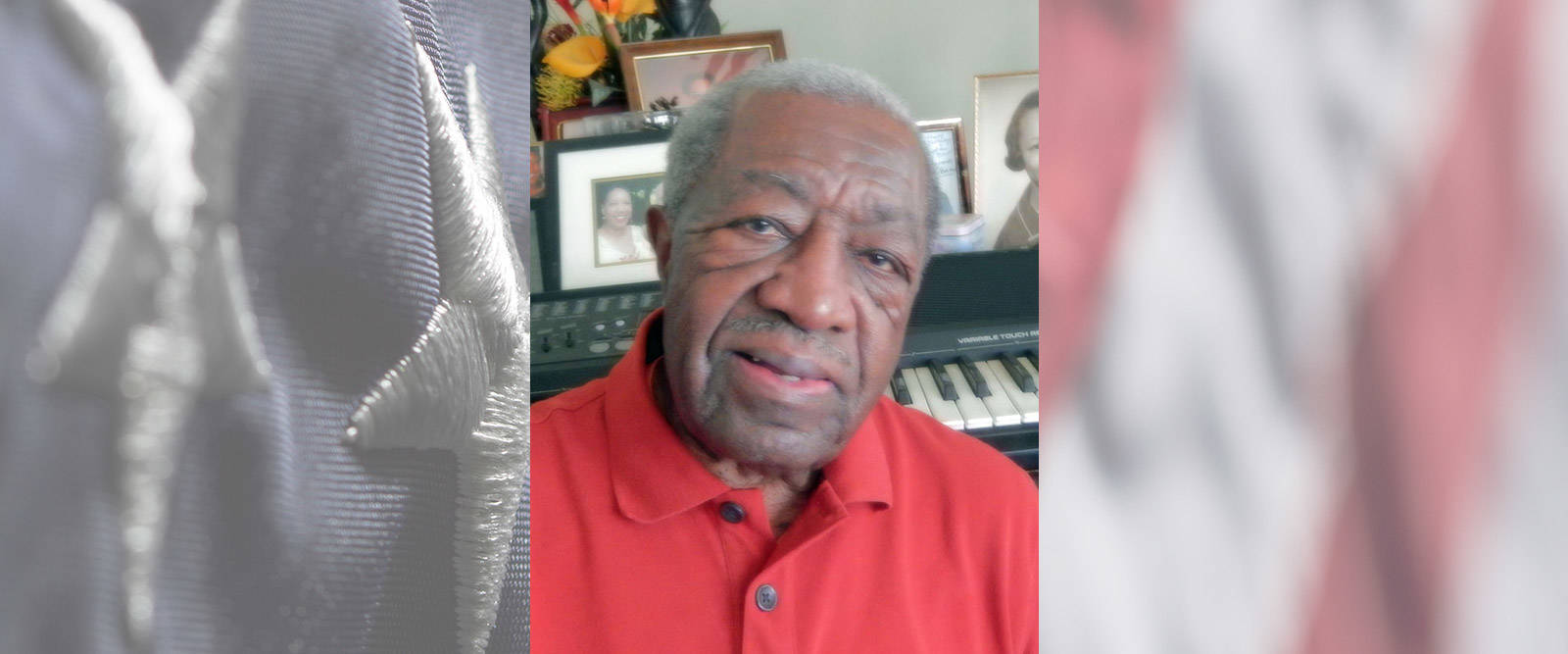
If the dirt roads and mountainous terrain of North Korea weren’t difficult enough for moving men, equipment and supplies in the warm months, when winter set in, they quickly learned that surviving mud, snow, ice and -30 degree temperatures was “the real challenge.”
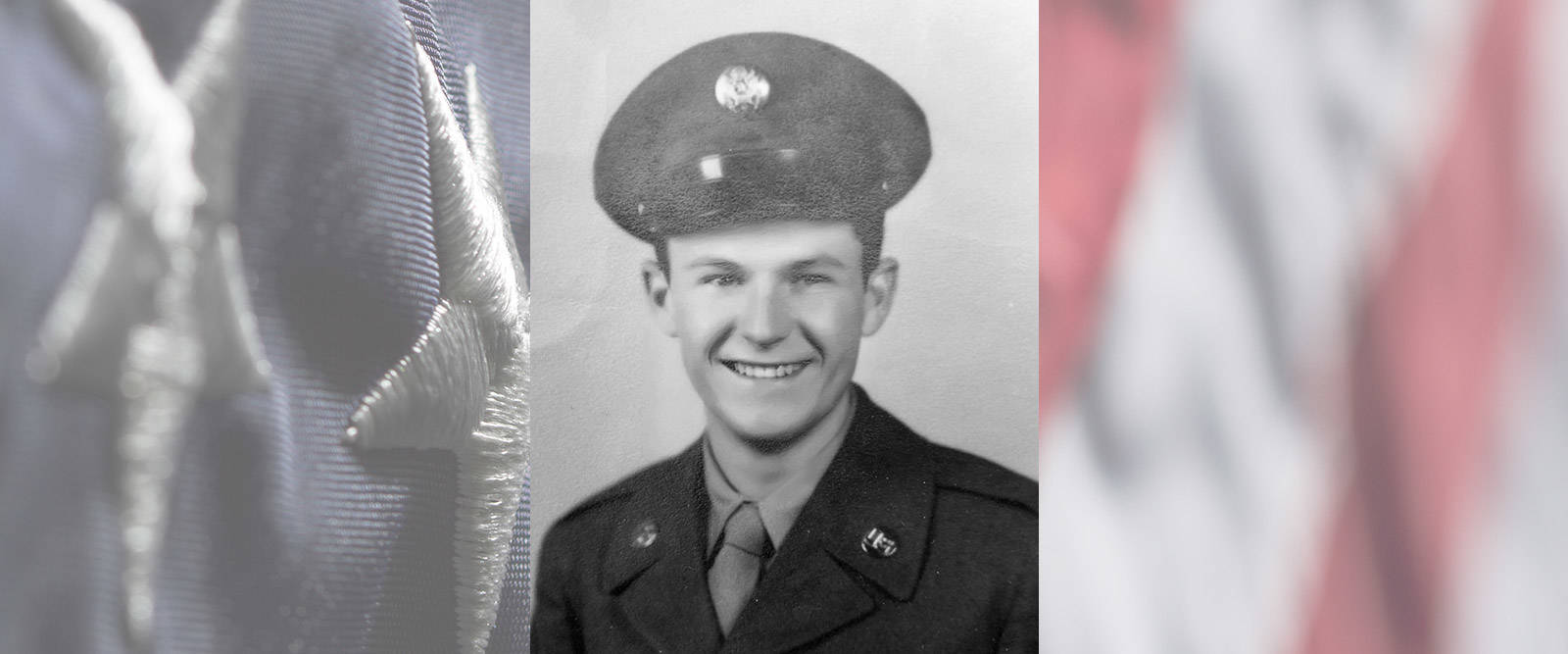
With only one clip Ed asked “What do I do if I run out of Ammo?” The sarge said “Jump off the train and run like hell!”
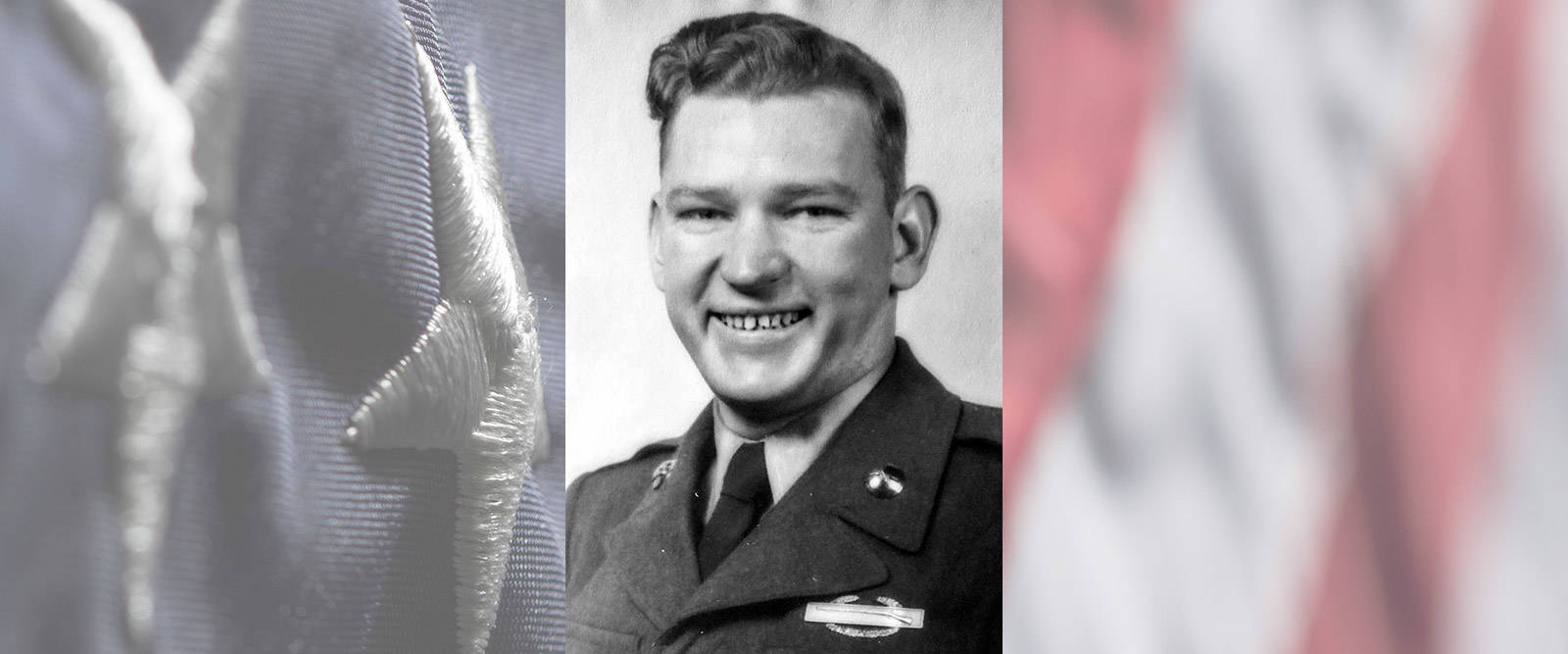
Having been raised on a farm taught teamwork from an early age.

John Martin was a driver for a battalion commander and platoon leader during the Korean War. His brother served in WWII at the Battle of the Bulge.
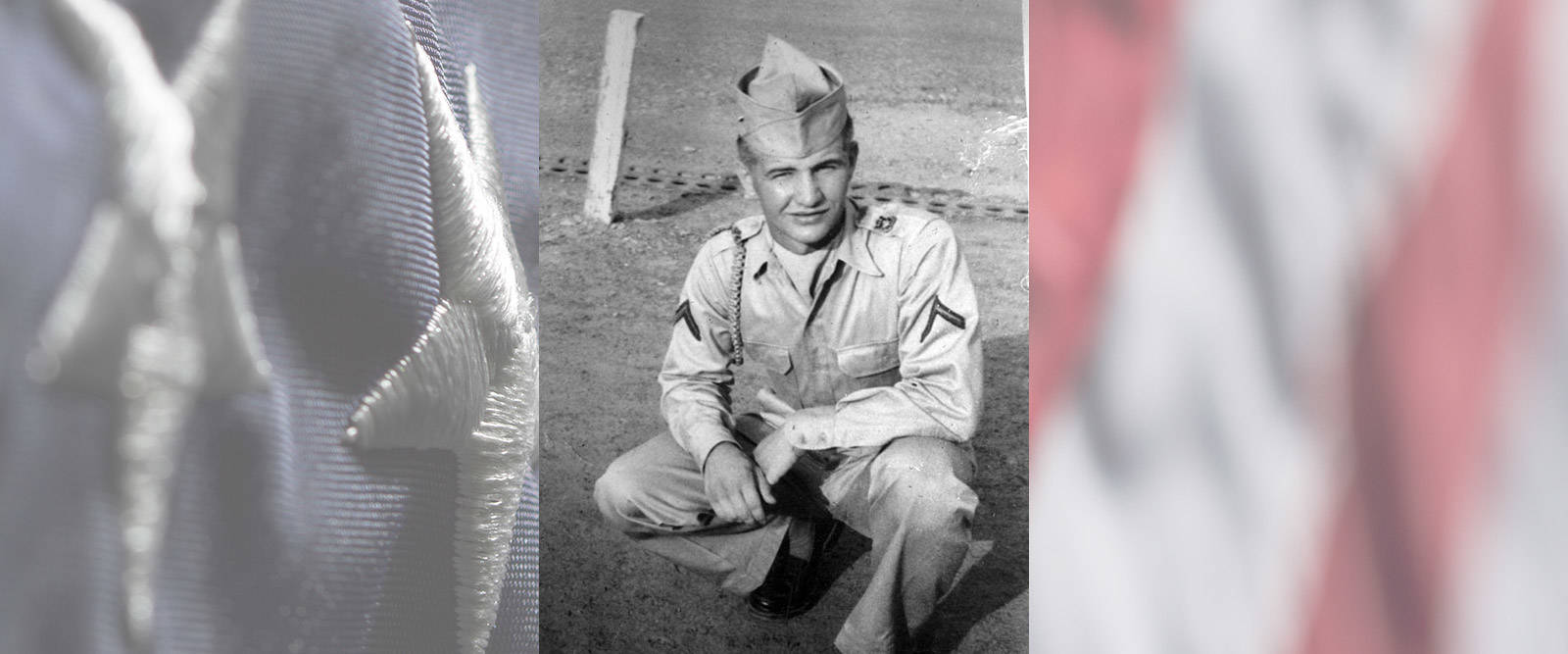
Gene’s job in South Korea was to drive diesel locomotives hauling train cars of ammunition, food, K rations and other supplies. The U.S. Army used the Korean rail system, but the train engines were diesel locomotives brought over from the United States.